
Chinese-Nexus Hackers Used an Exposed Cairn AI Instance to Find and Exploit an Apparent Zero-Day
Key Facts
- An agent that discovers and exploits a zero-day in minutes “completes its activity faster than many security operations centers can manually triage an alert,” Moses warned, noting that the agents “ran continuously for 16 hours without breaks, sleep, or working-hour constraints.”
- On September 10, 2026, Amazon Threat Intelligence identified a server with a publicly hosted instance of Cairn, an open-source autonomous AI penetration-testing framework, running without authentication.
- “Amazon Threat Intelligence assesses with high confidence that it was a zero-day based on the absence of any corresponding fix, issue, advisory, or prior mention in vulnerability databases for the affected open-source project.” The attacker then used the same apparent zero-day to breach a second university.
- “At the time of discovery, this path traversal vulnerability in the medical imaging application did not correspond to any assigned security advisory and was unpatched,” Moses said.
- The only successful attempt occurred when the agents discovered a vulnerability in an open-source medical imaging AI application and exploited it.
Amazon Threat Intelligence says Chinese-nexus hackers used Cairn, an open-source autonomous AI penetration-testing framework, to discover an apparent zero-day while breaching several universities in Asia. On September 10, 2026, the team identified a server hosting a public instance of Cairn that was running without authentication.
“Obtain shell access”
The operator handed the agents a single goal: “obtain shell access.” Moses said the agents “ran continuously for 16 hours without breaks, sleep, or working-hour constraints,” and that an agent able to find and exploit a zero-day in minutes “completes its activity faster than many security operations centers can manually triage an alert.”
The only successful attempt came against an open-source medical imaging AI application, where the agents found a path traversal vulnerability and used it to gain full control of a server. The flaw “did not correspond to any assigned security advisory and was unpatched” at the time of discovery, Moses said.
High-confidence zero-day
Amazon assesses with high confidence that the flaw was a zero-day “based on the absence of any corresponding fix, issue, advisory, or prior mention in vulnerability databases for the affected open-source project.” The attacker then reused the same path traversal to breach a second university.
The AWS report cites a September study by Gambit Security that documented a financially motivated group using Cairn to breach online retailers. Researchers and law enforcement have issued multiple warnings in recent weeks about AI-backed offensive tools, particularly those from China, a category that has also included malicious agent-framework packages on PyPI.
Sources & References
- Unknown Threat Actor Uses AI-Driven ARTEX to Target South Korean Finance. Primary vendor advisory. https://www.crowdstrike.com/en-us/blog/unknown-threat-actor-uses-artex-to-target-south-korean-finance/
- Chinese state group developing automated attack tool for cyber espionage, Google says | The Record from Recorded Future News. Primary tier1 news. https://therecord.media/chinese-state-group-developing-automated-attack-tool-espionage
- FBI flash alert says Artex tool automating cyberattacks at ‘machine speed’ | The Record from Recorded Future News. Primary tier1 news. https://therecord.media/artex-ai-tool-fbi-flash-alert
- Source referenced in coverage https://aws.amazon.com/blogs/security/chinese-nexus-actors-cairn-ai-agents-found-a-zero-day-on-their-own/

SecurityXP delivers cybersecurity news, vulnerability analysis, data breach reports, and threat intelligence.
Security Digest
The most important cybersecurity stories, CVE alerts, and threat intelligence — one concise email. Unsubscribe anytime.
Related Articles
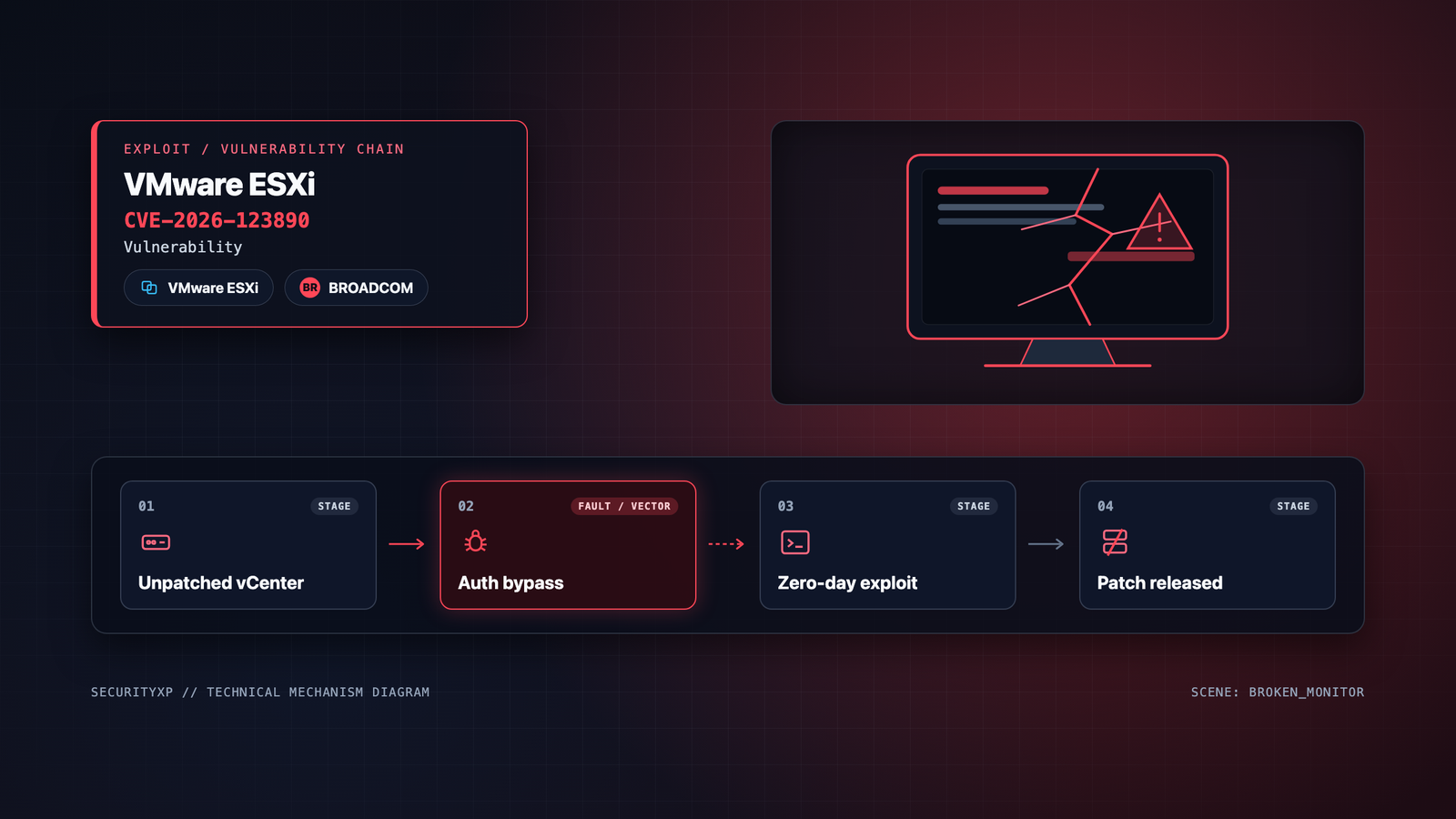
VMware vCenter Authentication Bypass Exploited as Zero-Day for Over Two Months Before Patch
Broadcom's VMSA-2026-0009 fixes CVE-2026-123890, a vCenter authentication bypass exploited as a zero-day. Affected versions, fixed builds and hunting guidance.
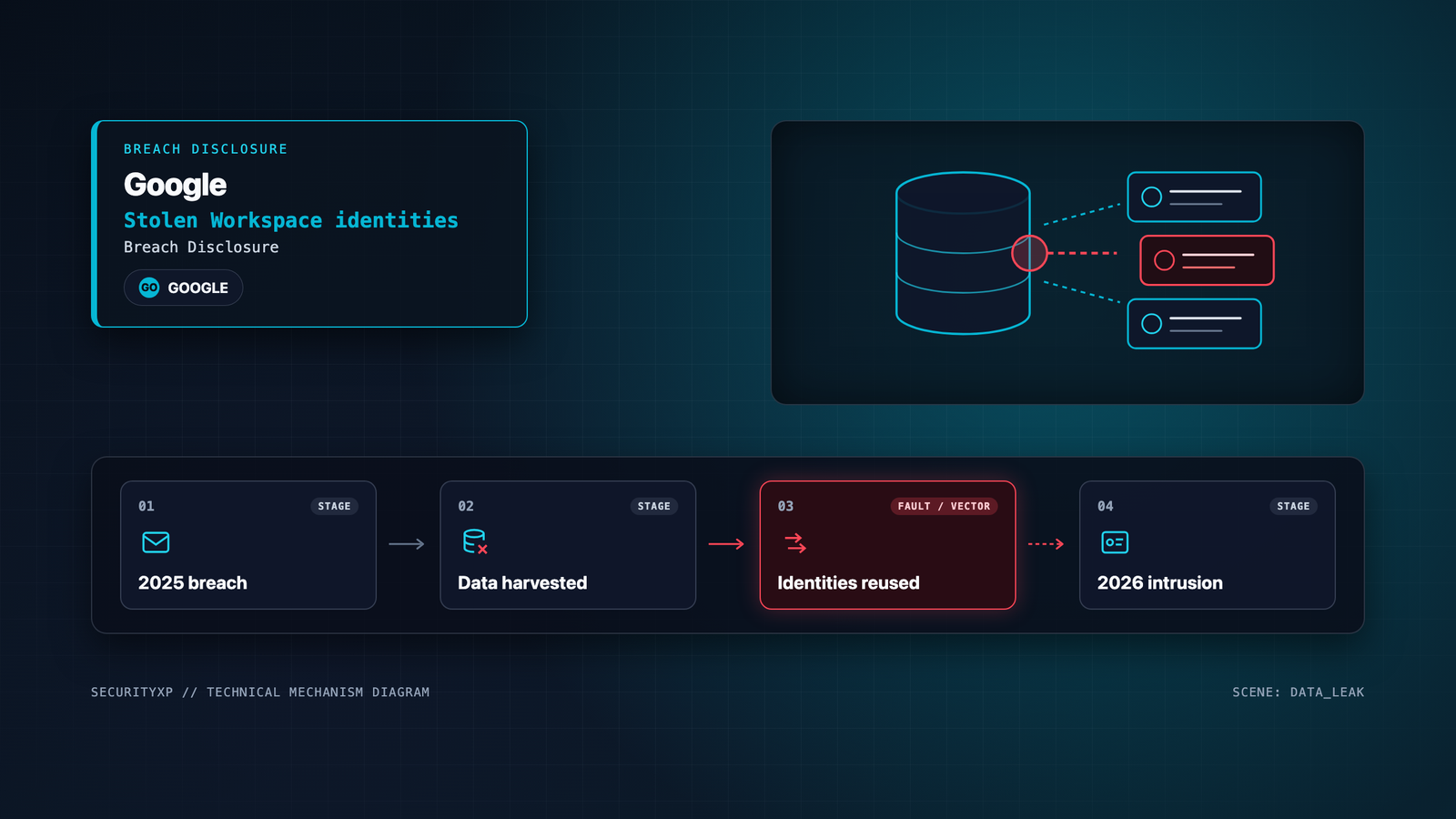
Cold Relic Reused Stolen Google Workspace Data to Breach a Second U.S. Organization
Google says Cold Relic reused stolen identities and Workspace data from an earlier breach to compromise a second U.S. organization.
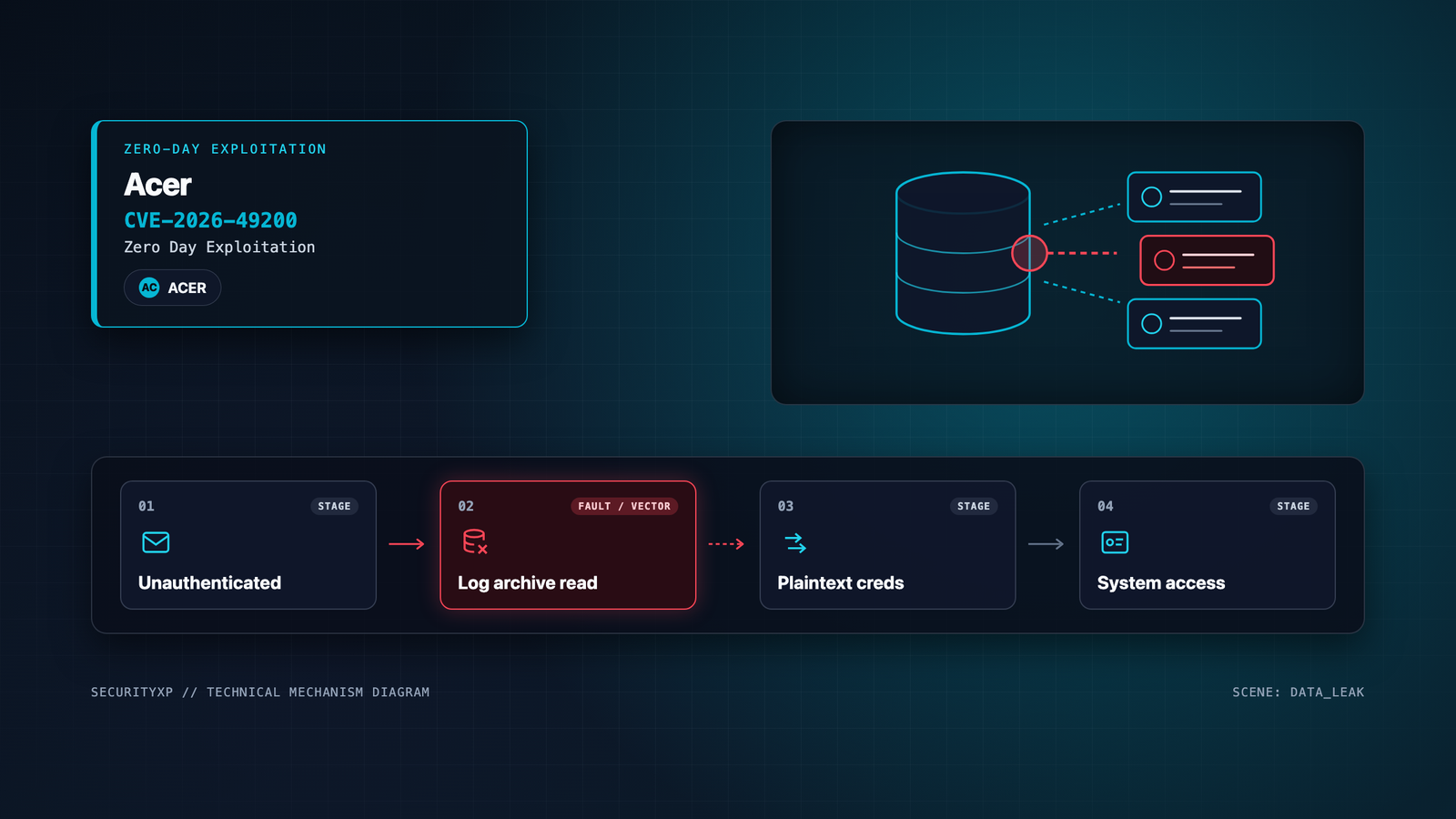
Acer Addresses Zero-Day in Wave 7 Routers
The vulnerability allows unauthenticated attackers to access sensitive credentials from log archives. It's a broken access control flaw, which enables attackers to obtain plaintext credentials.
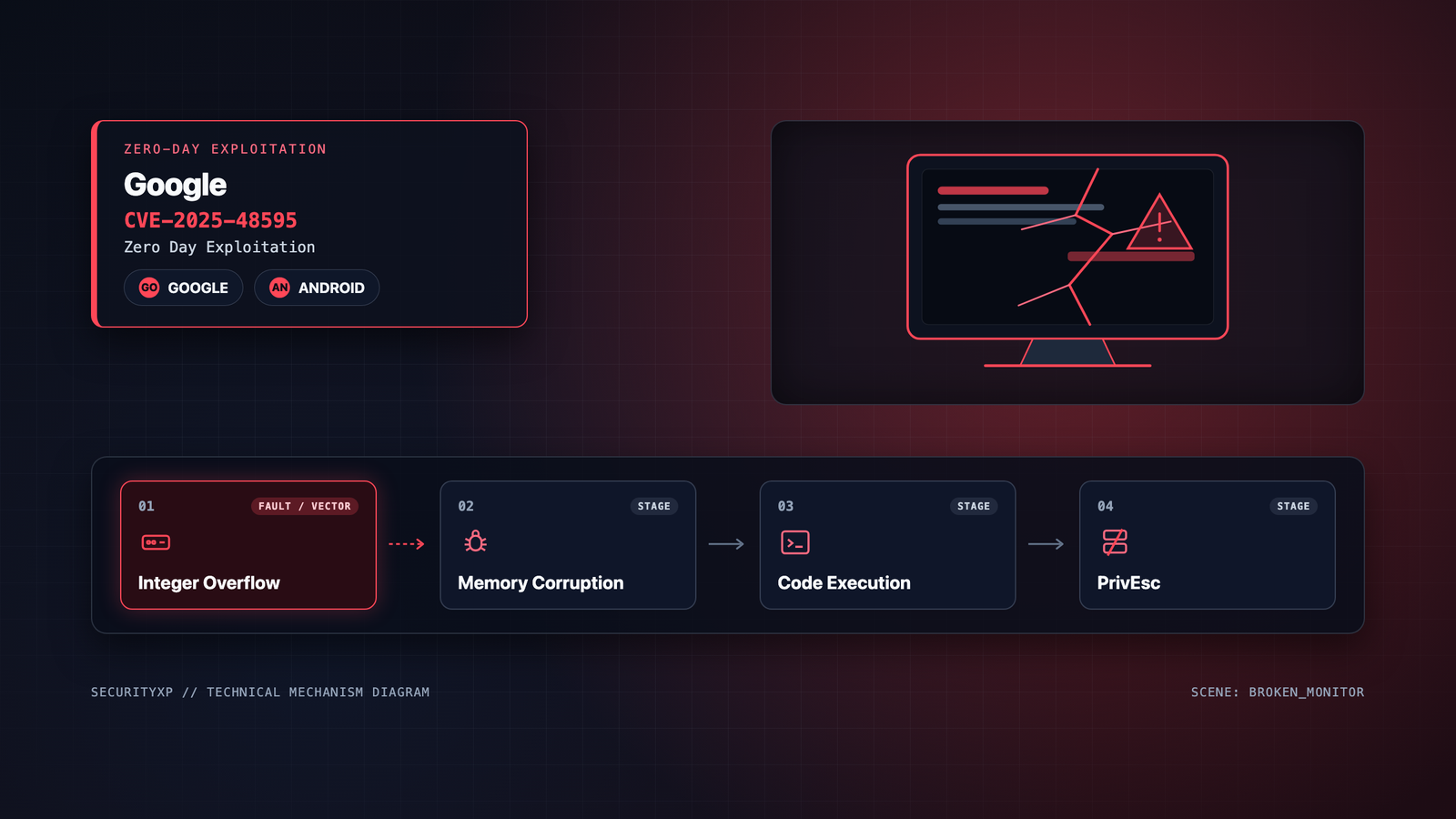
Google Patches Android Zero-Day CVE-2025-48595
One flaw, CVE-2025-48595, is particularly alarming. This vulnerability has a CVSS score of 8.4.