
pip Before v26.2.2 Bundles Compromised eMudhra Certificates in certifi (CVE-2026-133949, CVSS 9.3)
Key Facts
- pip releases earlier than v26.2.2 ship a certifi bundle containing the compromised eMudhra certificates, tracked as CVE-2026-133949.
- The record is classified Severe, lists an official fix, and gives exploit maturity as "Not Defined"; CVSSv4.0 score is 9.3.
- CVE-2026-115557 covers Python versions that reject the compromised eMudhra intermediates.
- Route one: upgrade Python to a release that rejects the compromised intermediates, then upgrade pip.
- Route two: use hash pinning with a known-secure version of pip.
The Record
pip releases earlier than v26.2.2 ship a certifi bundle that contains the compromised eMudhra certificates. The condition is tracked as CVE-2026-133949 and scored 9.3 under CVSSv4.0. The record is classified Severe. It lists an official fix. It gives exploit maturity as “Not Defined.”
v26.2.2 is the fixed version. Every release below it is in range. The range is the whole of the history before v26.2.2. Nothing in the materials reviewed here narrows it.
The pip record pairs with a second one. CVE-2026-115557 covers Python versions that reject the compromised intermediates, and it is the record the upgrade guidance points to when the fix starts with the interpreter. Oracle has published advisories for both entries. Coverage of the fix also references a GitHub advisory, GHSA-6q48-6c7w-9gw2, and a pip pull request numbered 14371.
What the Bundling Means
The affected component is the certifi copy shipped inside pip, not a separately installed certifi package. That is the whole of the delivery mechanism as the record states it: the certificates travel with the installer. An environment assembled by an affected pip inherits them, because the bundle pip relies on is the bundle that carries the eMudhra entries. They land in the trust store of anything built from the affected installer.
A certifi bundle is a list of certificate authorities, and a trust store is only as good as its contents. An entry does not age out on its own. It stays until something removes it. When the carrier is the installer itself, the entry arrives with the tool rather than with the code the tool installs.
The difference between a bundled certifi and a separately installed one is easy to lose in a package listing. A host’s inventory is not the same thing as the installer it runs, and the two can disagree for as long as nobody looks.
Two Upgrade Paths
The guidance gives two routes to a secure pip, and the first has an order to it.
Route one upgrades the interpreter before the installer. Python moves to a release that rejects the compromised eMudhra intermediates, as defined in CVE-2026-115557. Then pip is upgraded. The sequence is explicit: Python first, pip second.
Route two leaves the interpreter where it is and works on the artifact instead. Hash pinning against a known-secure version of pip means an install will not accept a build that carries the bad certifi. The pin does the work: the hash has to match a version already known to be secure, or the install does not proceed.
The routes lean on different things. Route one leans on the interpreter, and it is available wherever a Python release that rejects the intermediates can be installed. Route two leans on the operator, who has to hold a secure pip version and its hash. The guidance offers them as alternatives, either one or the other, not as a sequence to be completed in full.
Scope, Gaps, and the Not-Defined Field
Across every affected release the exposure is the same bundled certifi. The remedies are not uniform, because they turn on the interpreter and on what the operator can pin. The first question is whether Python can move. That, more than the version range, decides the route.
The record does not name the specific eMudhra intermediates. Beyond the linkage to CVE-2026-115557 it gives no further identifier for the certificates involved, and CVE-2026-115557 is the only reference it offers for identifying a Python build that rejects them. Anyone checking a candidate interpreter has that one record to work from. It is a thin basis for the decision route one asks an operator to make, and it is what the guidance supplies.
Exploit maturity reads “Not Defined,” and the phrase deserves a plain reading. It is a statement about the record: the field carries no assessment. It is not evidence of attacks, and it is not a clean bill either. Nothing in these materials describes exploitation, and nothing in them rules it out.
A CVSSv4.0 score of 9.3 describes the severity of the condition when it is present. It is not an incident count, and it does not move with the maturity field. Read together, the two labels say this: if an affected installer built the environment, the compromised certificates are in its trust store, and the fix is a version that does not carry them.
The fixed version is v26.2.2. The classification is Severe. The fix is official. The range is everything below. For triage, those four items carry the decision.
Sources & References
- Information for Python users regarding eMudhra / emSign CA certificate security incident - Announcements - Discussions on Python.org. Primary official statement. https://discuss.python.org/t/information-for-python-users-regarding-emudhra-emsign-ca-certificate-security-incident/109576
- Source referenced in coverage https://www.cve.org/CVERecord?id=CVE-2026-115557
- Source referenced in coverage https://github.com/advisories/ghsa-6q48-6c7w-9gw2
- Source referenced in coverage https://www.cve.org/CVERecord?id=CVE-2026-133949
- Source referenced in coverage https://github.com/pypa/pip/pull/14371
- CVE-2026-133949 — National Vulnerability Database
- CVE-2026-115557 — National Vulnerability Database

SecurityXP delivers cybersecurity news, vulnerability analysis, data breach reports, and threat intelligence.
Security Digest
The most important cybersecurity stories, CVE alerts, and threat intelligence — one concise email. Unsubscribe anytime.
Related Articles
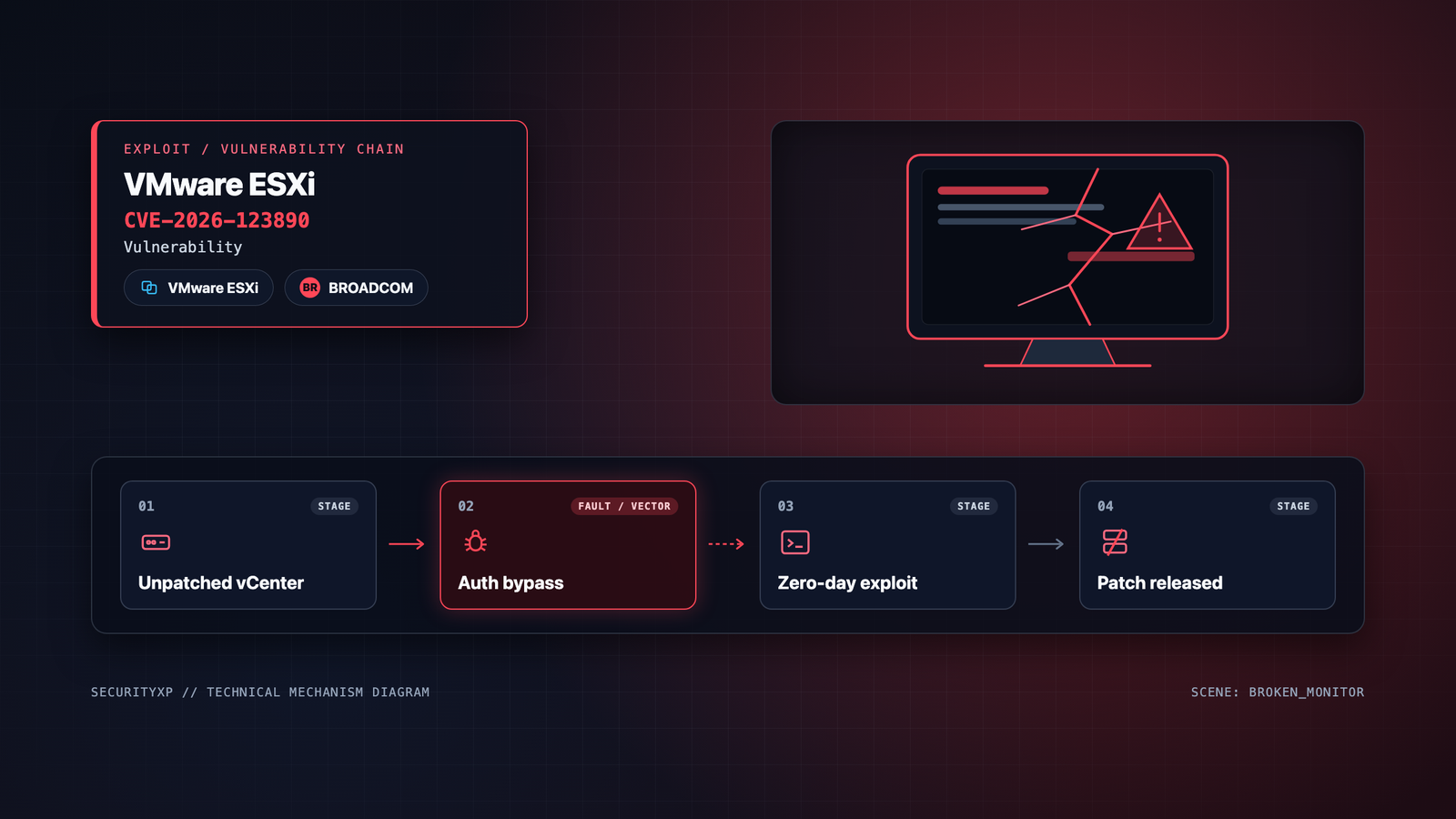
VMware vCenter Authentication Bypass Exploited as Zero-Day for Over Two Months Before Patch
Broadcom's VMSA-2026-0009 fixes CVE-2026-123890, a vCenter authentication bypass exploited as a zero-day. Affected versions, fixed builds and hunting guidance.
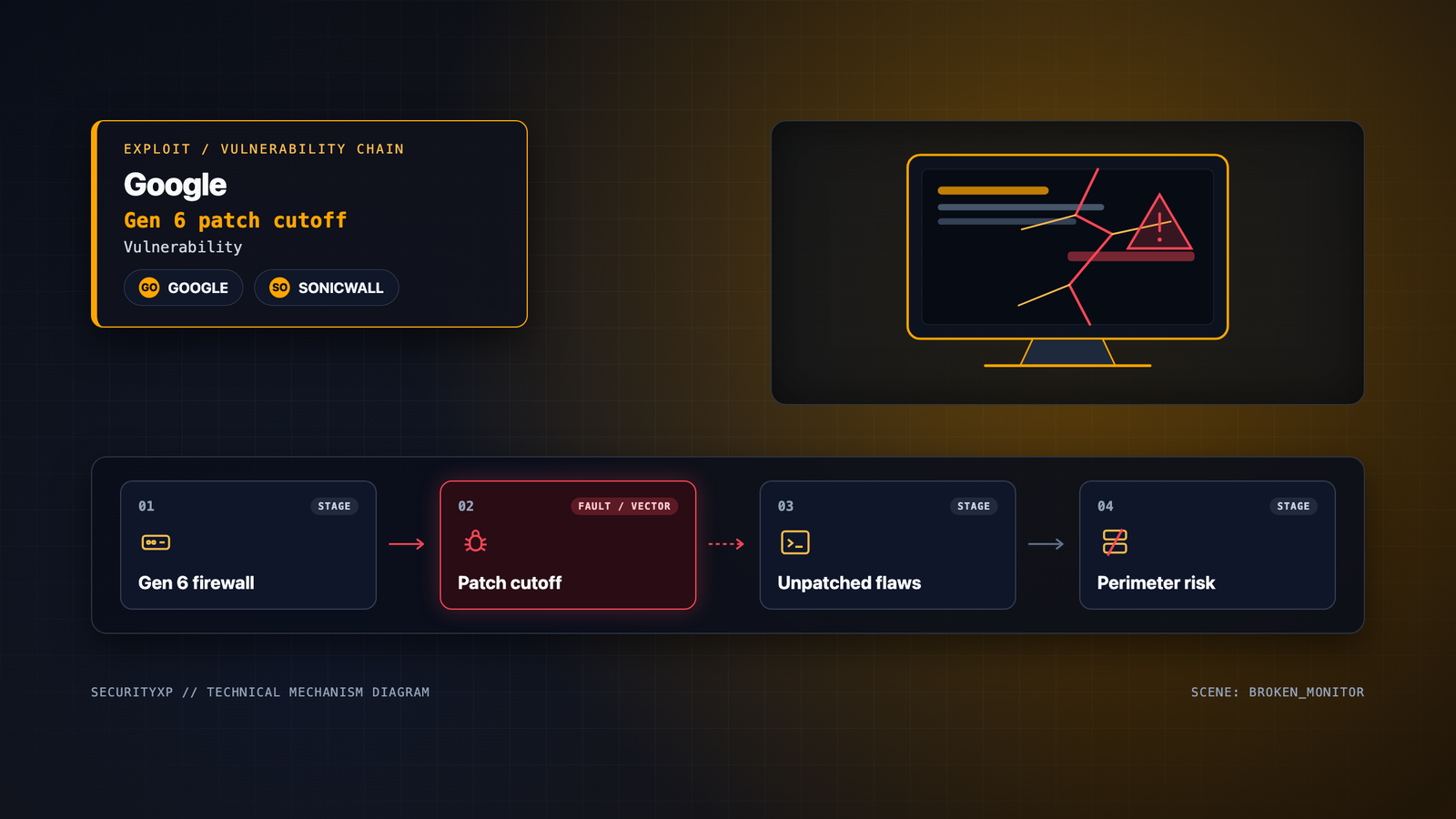
SonicWall Ends Gen 6 Firewall Patching, Even for Critical Flaws
Google Mandiant’s M-Trends report, published in March 2026, estimated the mean time to exploit vulnerabilities at -7 days, meaning exploitation on average…
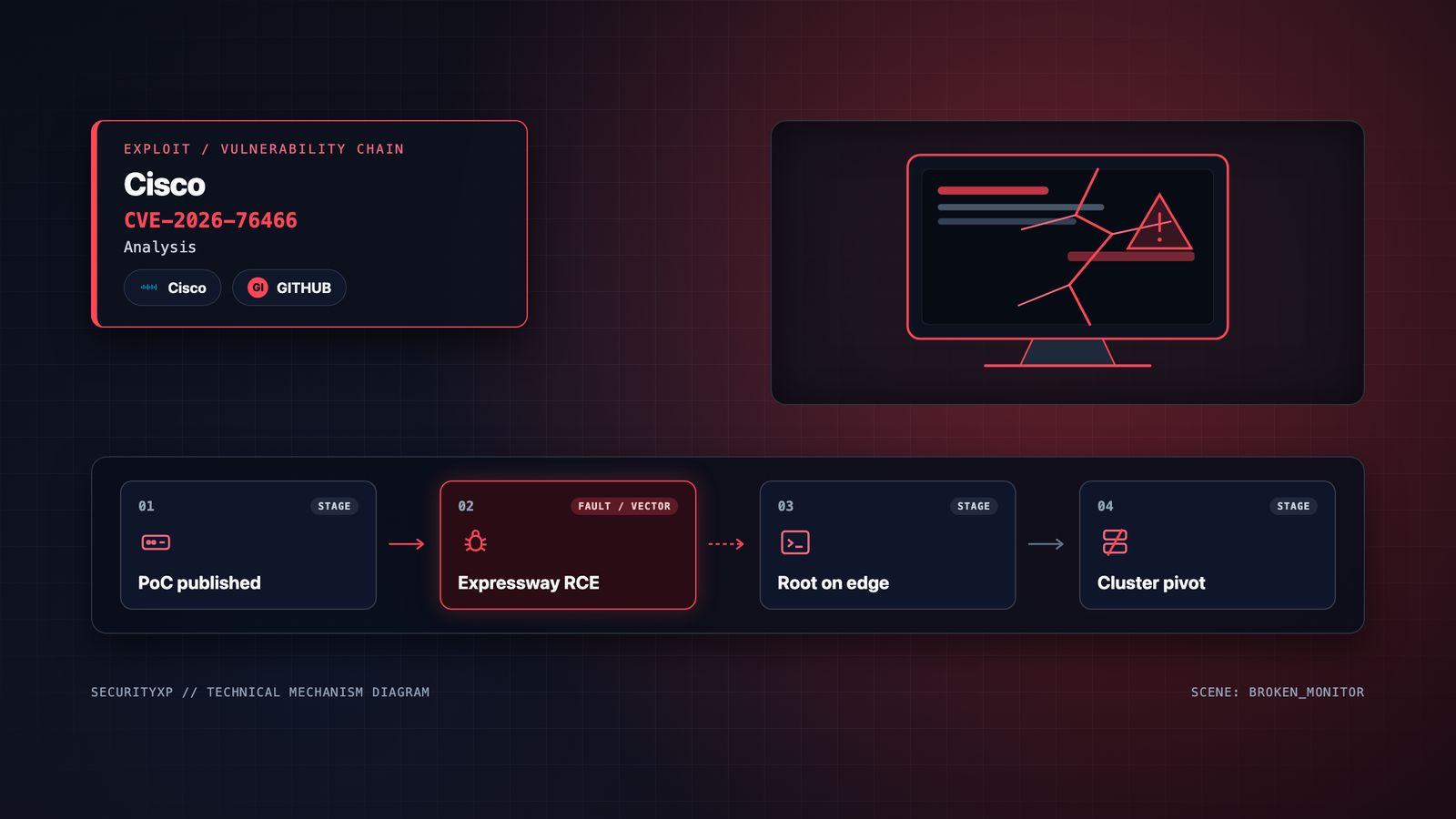
Cisco Expressway Flaw Exploited Shortly After PoC Release to Breach Russian Organization
Attackers used CVE-2026-76466, a CVSS 9.8 Cisco Expressway flaw, to breach a Russian organization soon after a public PoC, F6 reports.
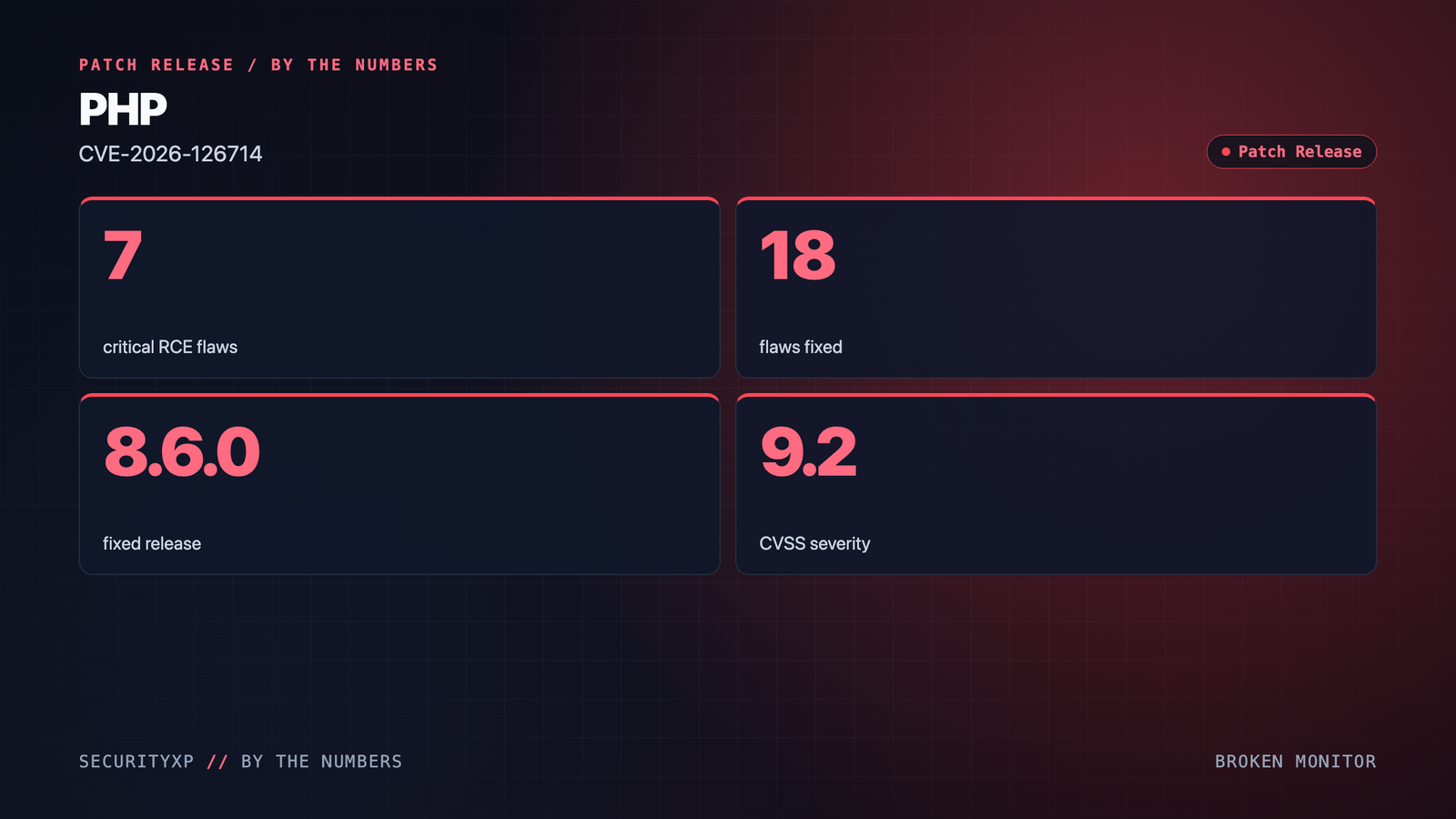
PHP 8.6.0 Carries the Fix for CVE-2026-126714, the 9.2-Rated Flaw October's Releases Left Open
PHP 8.6.0, released today, includes the fix for CVE-2026-126714, a flaw that PHP's maintainers rate 9.2 out of 10 on the CVSS 4.0 scale.