
Rail Automation Expands Cyber-Physical Attack Surface, Review Finds
Key Facts
- The paper is a narrative review of railroad automation, OT security guidance, FRA and TSA materials and documented rail cyber incidents.
- Automation shifts rail risk from isolated mechanical failures toward interconnected software, communications, remote access and vendor dependencies.
- The review identifies vulnerabilities in train detection, positioning, signalling, grade crossings, remote diagnostics, vendor access and AI-enabled monitoring.
- A cyber incident can cause operational disruption, supply-chain impacts and national-security risk even when fail-safe mechanisms prevent a catastrophic outcome.
- The authors recommend security-by-design procurement, IT/OT segmentation, secure remote access, degraded-mode planning, trusted recovery and human oversight.
A new arXiv paper reviews how increasing automation changes the cybersecurity risk profile of railroad cyber-physical systems, shifting the focus from isolated mechanical failures to interconnected software, communications and vendor dependencies.
The authors synthesize railroad automation literature, operational-technology security guidance, FRA and TSA materials, and documented rail cyber incidents. They map automation functions to exposed assets, attack vectors and operational consequences, with attention to signalling, communications, onboard systems, remote access and human oversight.
The review identifies vulnerabilities in train detection, positioning, signalling, grade crossings, remote diagnostics, vendor access and AI-enabled monitoring. A cyber incident can cause operational disruption, supply-chain impacts and national-security risk even when fail-safe mechanisms prevent a catastrophic outcome, the authors write.
The paper’s main contribution is a rail-specific taxonomy that connects automation functions, cyberattack pathways, operational consequences and resilience requirements. It frames cybersecurity as an operational concern rather than a purely IT problem.
For operators and regulators, the authors recommend security-by-design procurement, IT/OT segmentation, secure remote access and software updates, degraded-mode planning, trusted recovery and human oversight. They say the framework can be used to assess automation deployments and prioritize risk reduction.
The paper is a narrative review, not a report of a new incident. It was submitted to arXiv on November 20, 2026.
Sources & References
- Athar, Kamal, Khattak and Aman, Railroads as Cyber-Physical Systems: Cybersecurity Implications of Increasing Automation, arXiv:2611.27088, submitted November 20, 2026. https://arxiv.org/abs/2611.27088
- PDF version of the rail cyber-physical systems review. https://arxiv.org/pdf/2611.27088
- DOI record for the rail cyber-physical systems review. https://doi.org/10.48550/arXiv.2611.27088

SecurityXP delivers cybersecurity news, vulnerability analysis, data breach reports, and threat intelligence.
Security Digest
The most important cybersecurity stories, CVE alerts, and threat intelligence — one concise email. Unsubscribe anytime.
Related Articles

Rackspace Spot Breach Exposed Kubernetes Secrets Through Leaked Credentials
Rackspace says leaked credentials let an attacker act as legitimate users in some Spot customer organizations, create pods and read Kubernetes Secrets between 00:20 and 22:00 UTC on November 17.
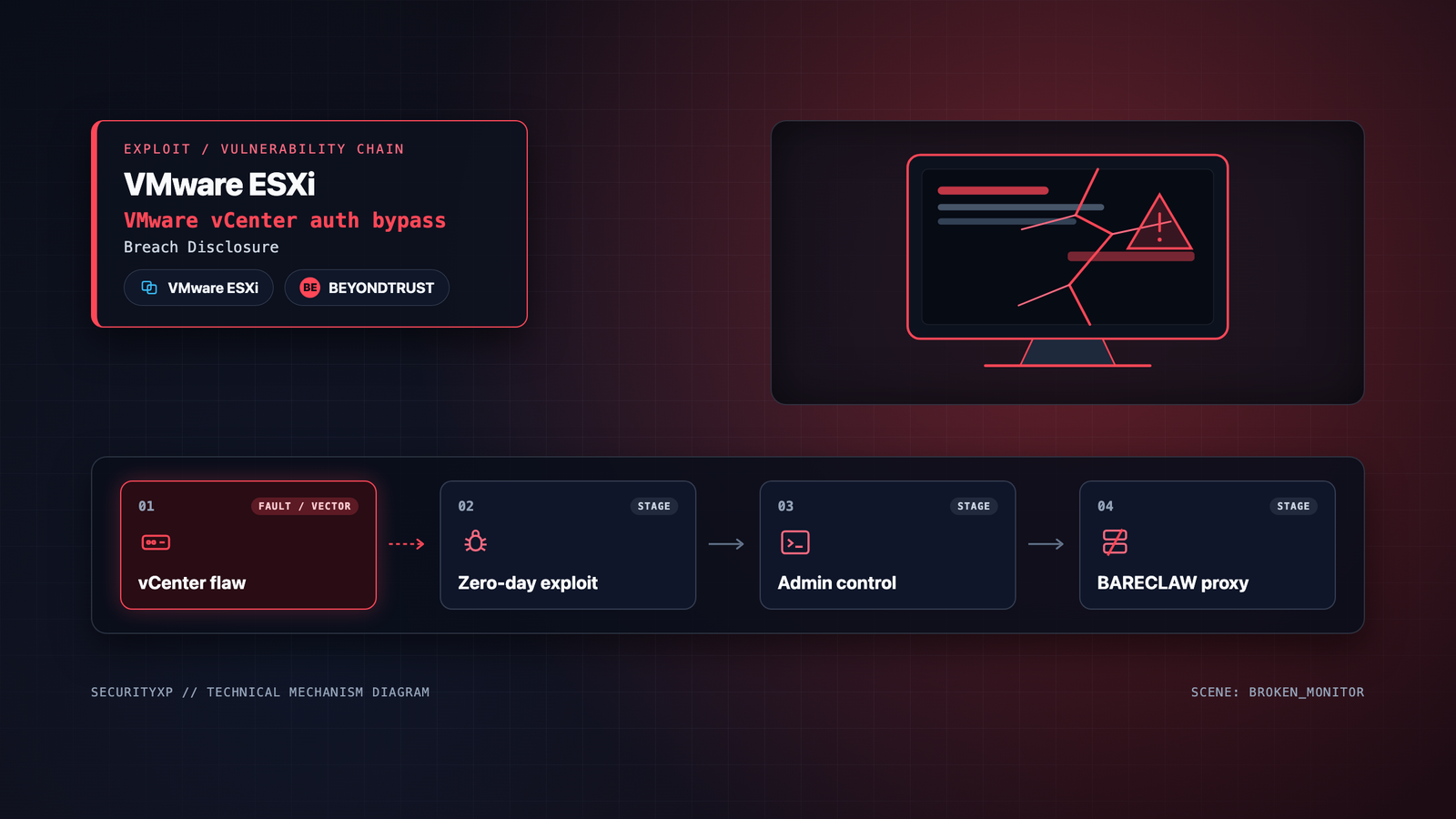
CISA Adds Cisco Expressway, SAP NetWeaver, VMware vCenter and Apache Roller Flaws to KEV Catalog
CISA added four vulnerabilities to its Known Exploited Vulnerabilities catalog on November 20 and set a November 23 remediation deadline for federal agencies.
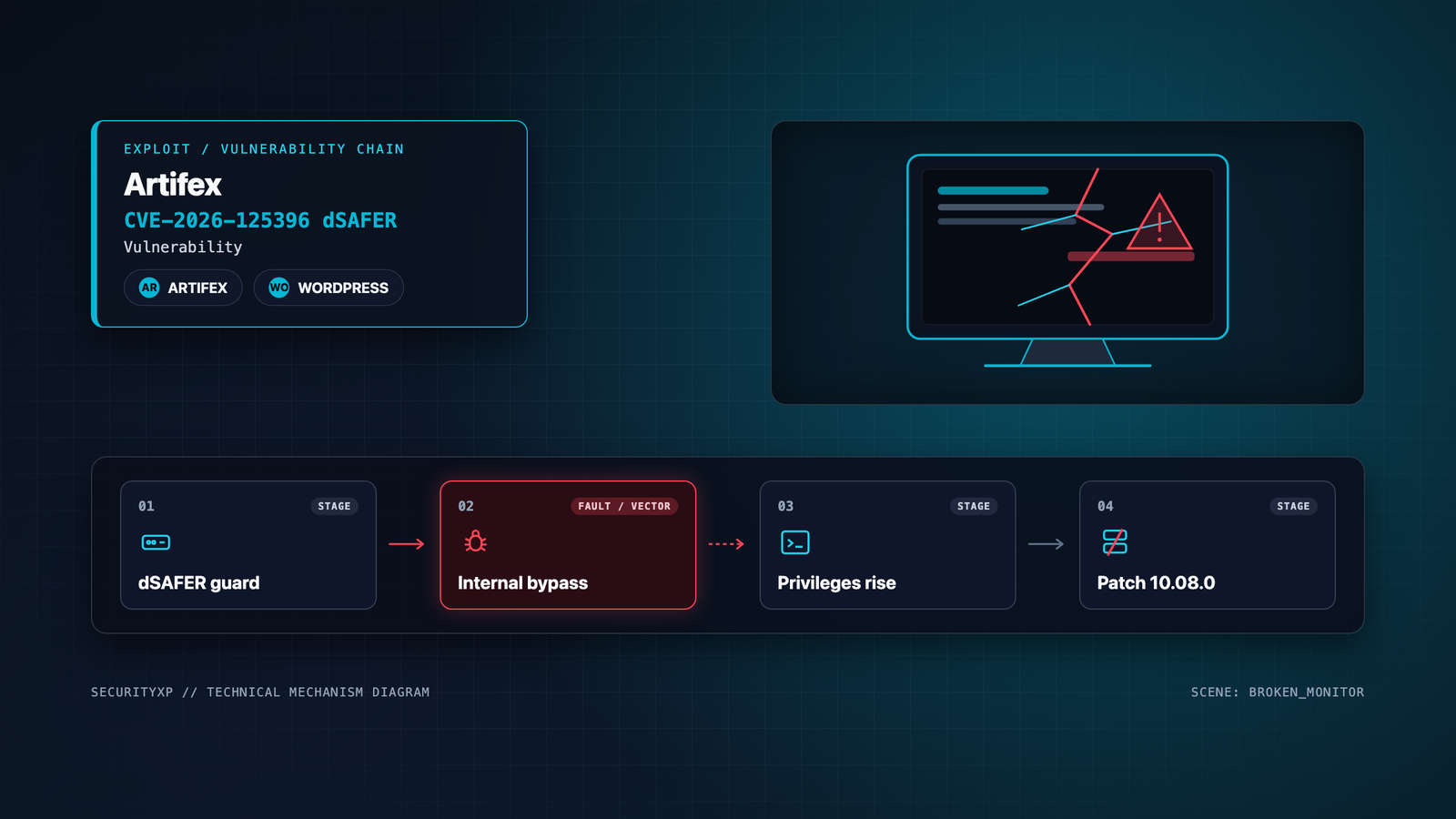
Ghostscript -dSAFER Escape Fixed in 10.08.0; WordPress Upload Path Already Closed
Artifex shipped Ghostscript 10.08.0 on September 8, closing CVE-2026-125396, a -dSAFER bypass built on .putgstringcopy and .forceput that recovers…
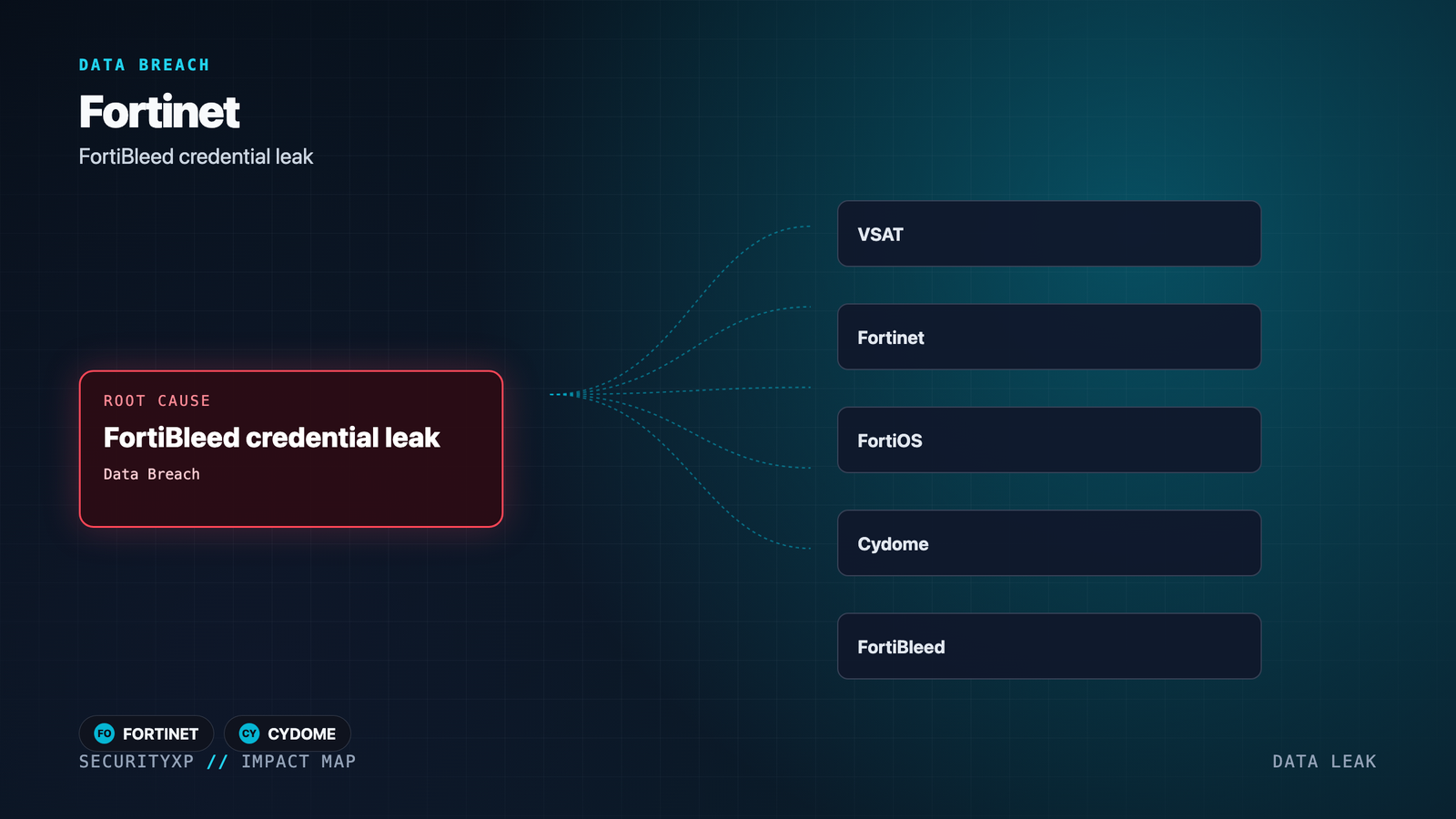
Cydome reports FortiBleed credential leak poses elevated risks to maritime and energy critical infrastructure
On a vessel without clean IT and OT separation, that same path can reach bridge systems, cargo management, and VSAT links.” Fortinet officially characterizes...