
SonicWall Ends Gen 6 Firewall Patching, Even for Critical Flaws
Key Facts
- According to Google Mandiant's M-Trends report published in March 2026, the mean time to exploit vulnerabilities has turned negative, reaching an estimated -7 days, meaning exploitation, on average, begins before a patch is available, down from 63 days in 2018 and -1 day in 2024.
- "Because these assets provide critical inspection of data ingress and egress points, they grant significant visibility and permissions to those who gain access to them." Cisco Talos' 2025 Year in Review report has also found that 23% of CVEs discovered in the year directly impact network devices like VPN appliances, next-generation firewalls (NGFWs), load balancers, routers, and others.
- "This aligns with real-world trends from CISA'sKnown Exploitation Vulnerability (KEV) catalog, where exploitation consistently favors edge devices because they are internetfacing, often lag in patching, and provide direct operational leverage once compromised." With Gen 6 no longer being actively supported and receiving patches, even for critical flaws, users are recommended to follow the steps below without any delay - - Inventory every Gen 6 firewall in the production environment and retire them.
- Edge devices and VPNs were the target in 22% of breaches that began with an exploited vulnerability, up from 3% a year earlier,” the company said, citing findings from the Verizon 2025 DBIR report.
- That means no more firmware updates or security patches, “regardless of severity,” the company said in a product advisory published on Wednesday.
SonicWall has stopped issuing firmware updates and security patches for its Gen 6 firewalls, “regardless of severity,” according to a product advisory published Wednesday. When a vulnerability affects several generations, supported firewalls receive a fix and Gen 6 does not. The company said attackers now use automation and AI to find and exploit unsupported edge devices faster than ever.
Patching Gap
Google Mandiant’s M-Trends report, published in March 2026, estimated the mean time to exploit vulnerabilities at -7 days, meaning exploitation on average begins before a patch is available. That figure was 63 days in 2018 and -1 day in 2024. Mandiant said the median time from disclosure to confirmed exploitation has fallen drastically, with threat actors using automation and AI to analyze advisories and patches and build working exploits faster. Cisco Talos’ 2025 Year in Review found that 23% of CVEs discovered that year directly affect network devices, including VPN appliances, next-generation firewalls, load balancers and routers. Talos said those systems sit at the perimeter of enterprise environments and provide critical inspection of data ingress and egress. SonicWall, citing Verizon’s 2025 DBIR, said edge devices and VPNs were the target in 22% of breaches that began with an exploited vulnerability, up from 3% a year earlier.
Edge Exposure
SonicWall said this aligns with CISA’s Known Exploited Vulnerabilities catalog, where exploitation favors edge devices because they are internet-facing, often lag in patching and provide direct operational use once compromised. SonicWall recommended that customers inventory every Gen 6 firewall in production and retire them without delay.
Sources & References
- M-Trends 2026: Data, Insights, and Strategies From the Frontlines | Google Cloud Blog. Primary vendor advisory. https://cloud.google.com/blog/topics/threat-intelligence/m-trends-2026
- Product Advisory: Retire Unsupported Gen 6 Firewalls. Primary vendor advisory. https://www.sonicwall.com/support/notices/product-advisory-retire-unsupported-gen-6-firewalls/kA1VN000002iouP0AQ
- 2025 Talos Year in Review: Speed, scale, and staying power. Primary research blog. https://blog.talosintelligence.com/2025-talos-year-in-review-speed-scale-and-staying-power/

SecurityXP delivers cybersecurity news, vulnerability analysis, data breach reports, and threat intelligence.
Security Digest
The most important cybersecurity stories, CVE alerts, and threat intelligence — one concise email. Unsubscribe anytime.
Related Articles
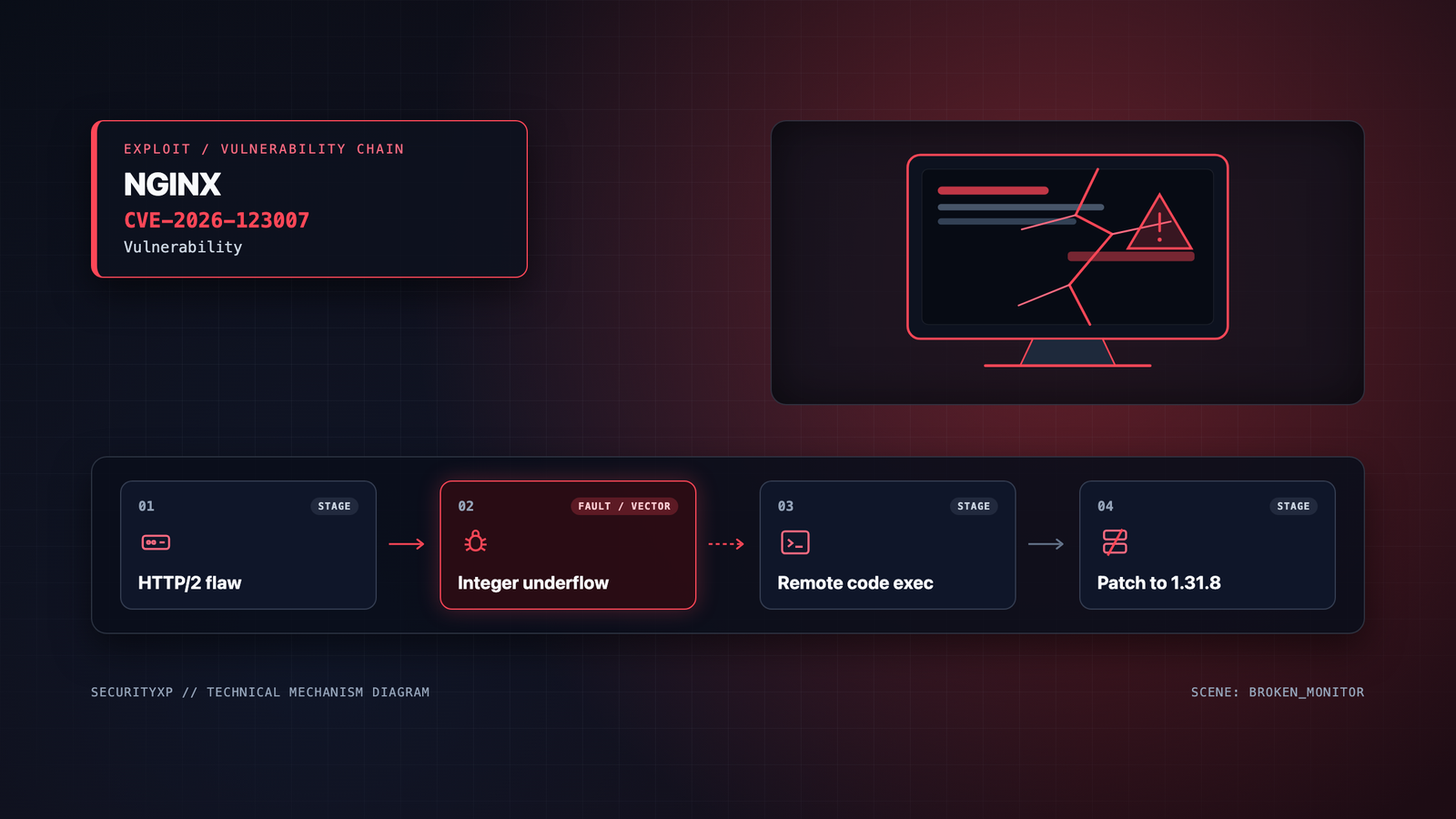
NGINX2Root: Five Critical NGINX RCE Flaws and the Limits of the Public Exploit Record
On November 18, F5 released an out-of-band security update covering 10 vulnerabilities in NGINX Plus and NGINX Open Source.
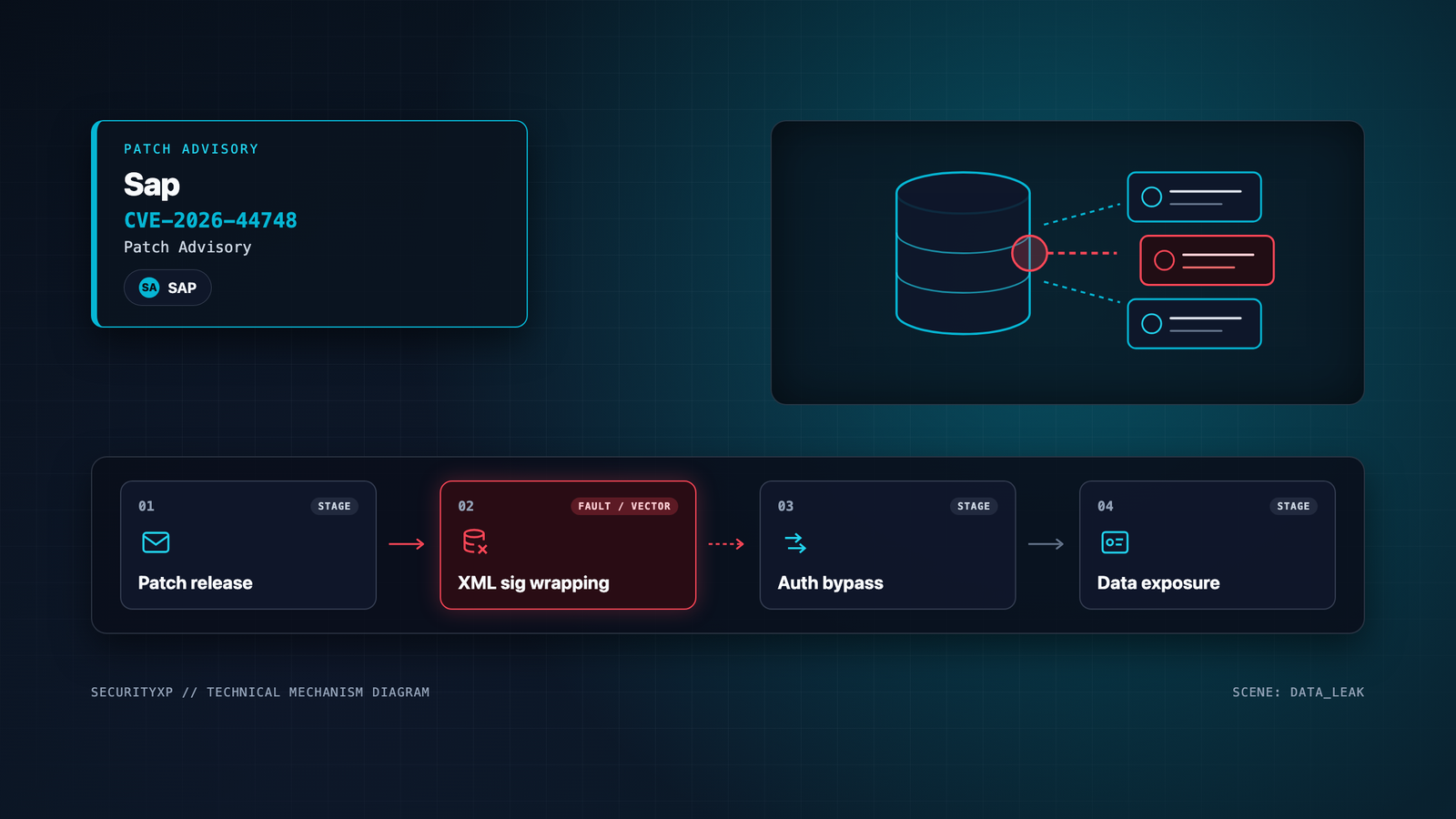
SAP fixes critical flaws in NetWeaver and Commerce Cloud
Uncovering Critical Flaws in SAP NetWeaver and Commerce Cloud SAP's June 2026 Security Patch package is a big deal. It fixes 15 vulnerabilities, including...
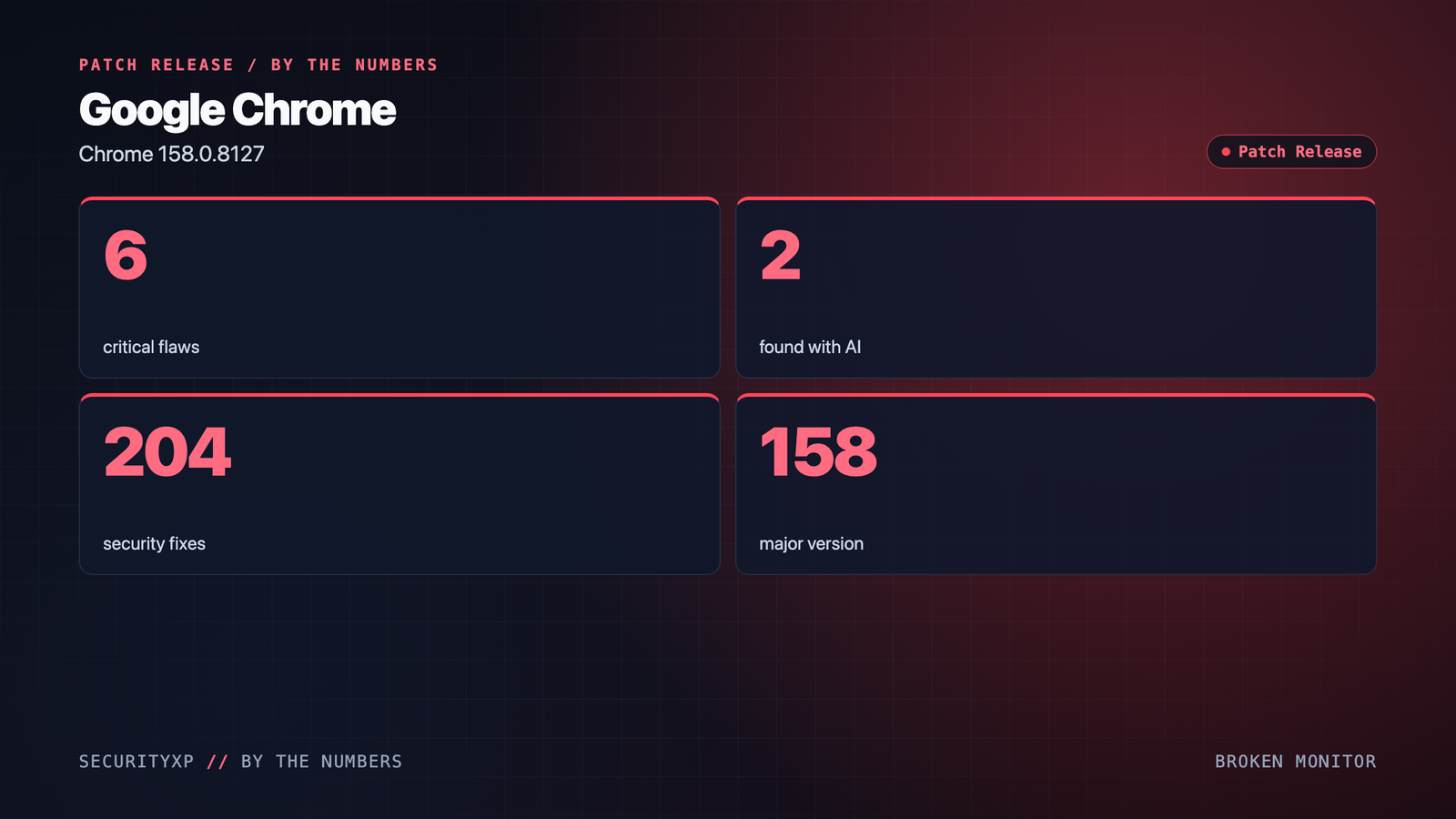
Chrome 158 Ships Two Critical Memory-Safety Fixes, Both Credited to AI-Assisted Research
Google has published a Stable channel update for Chrome on Windows, Mac and Linux.
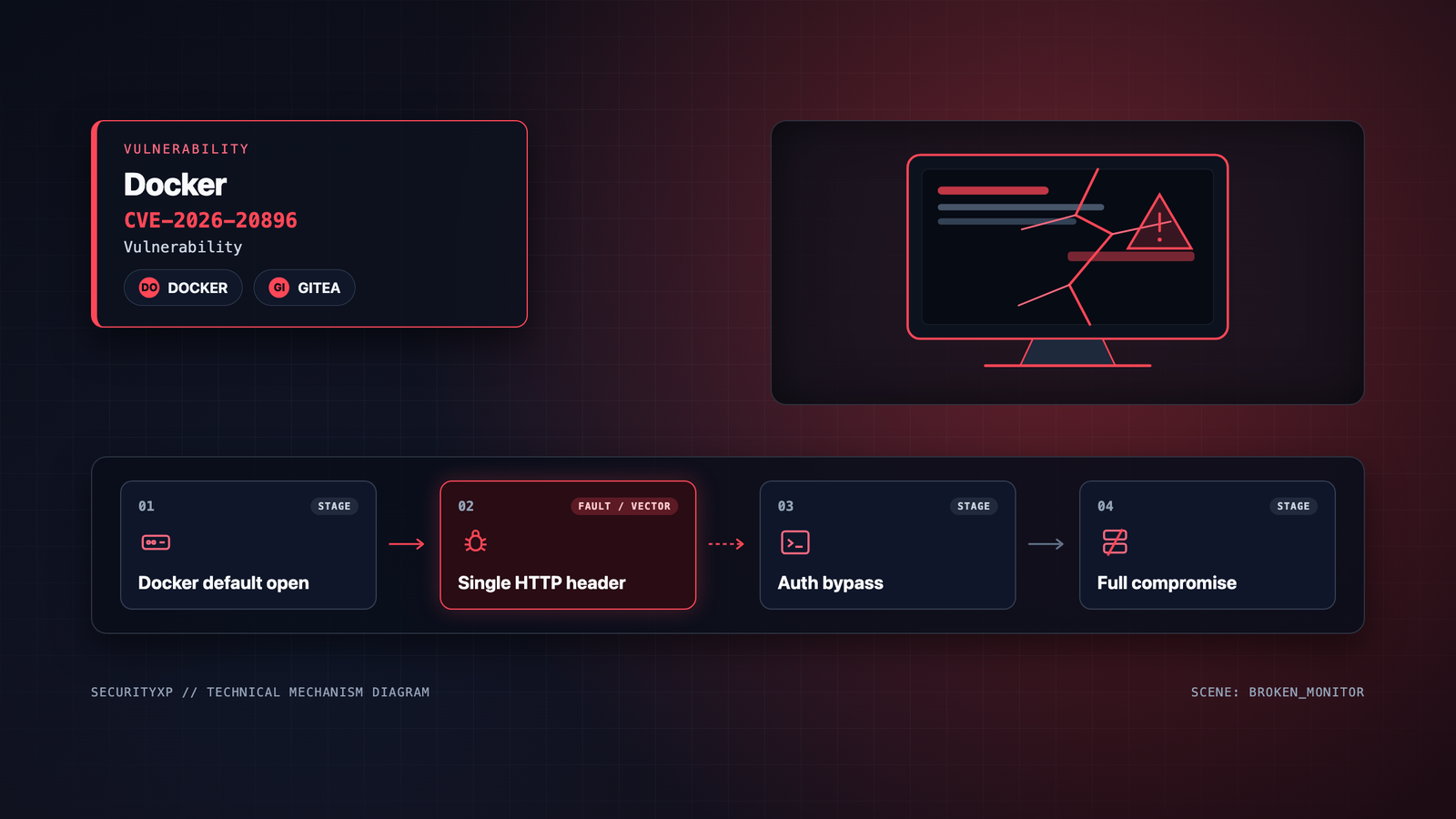
Critical Gitea Flaw Under Active Exploitation, Researchers Warn Vulnerability (CVE-2026-20896)
Specific to Gitea’s official Docker images, the critical-severity security defect is tracked as CVE-2026-20896 (CVSS score of 9.8) and can be exploited with...