
Highland Shores Children's Aid Says Intruder Took Personal Files in July Breach
Key Facts
- Highland Shores Children's Aid Society said it discovered on August 25, 2026 that an unauthorized third party had accessed a portion of its network and encrypted certain systems and data.
- The Society's investigation found the intruder accessed the environment on July 6, 2026 and took a limited amount of data, including files containing personal information.
- The notice applies to people who received services from the Society or its predecessor agencies, Therapeutic Family Care participants from 1995 to 2026, foster, kinship, adoption or customary care providers before 2019, and board members before 2019.
- The data involved may include names, contact information, dates of birth, financial information, Social Insurance Numbers, government identification, service records, child-welfare record checks, medical information and court records.
- The Society said it notified regulators and law enforcement, engaged third-party cybersecurity experts, and is monitoring the internet and dark web for misuse.
- The Children's Foundation, which stored information in the affected environment, published a separate notice; Kawartha-Haliburton Children's Aid Society said its own systems were not affected.
Highland Shores Children’s Aid Society has begun notifying current and former clients, caregivers and other individuals that their personal information may have been taken in a cybersecurity incident that the Society discovered in late August.
In a public notice dated November 4, 2026, the Ontario children’s aid society said it discovered on August 25 that an unauthorized third party had gained access to a portion of its network and encrypted certain systems and data. The investigation later established that the intruder accessed the environment on July 6, 2026, and took a limited amount of data, including files containing personal information.
The Society provides child welfare services and works with community partners across Hastings, Northumberland and Prince Edward Counties. In that role it holds information about service recipients, employees, volunteers, donors and others involved in its programs.
Who may be affected
The notice is broad because the Society’s records stretch back decades and include predecessor agencies. It says the notice may apply to anyone who received services from the Society or its predecessors — the Children’s Aid Society of the County of Prince Edward, Hastings Children’s Aid Society and the Children’s Aid Society of the County of Northumberland — at any time.
It also covers people who received services or participated in the Therapeutic Family Care program between 1995 and 2026, foster, kinship, adoption or customary care providers before 2019, and board members before 2019.
The data involved varies by relationship and by record. The categories listed in the notice include names, contact information, dates of birth, financial information, Social Insurance Numbers, government-issued identification, information about services received, child-welfare record checks and results, medical information and assessments, and court records. The Society says not every data element was necessarily affected for every person.
A second organization and a partner agency
Highland Shores provides information technology services to The Children’s Foundation, which published its own notice on November 5. The foundation said it stored information within the affected environment, so some information relating to its volunteers, donors, board members and program applicants may have been included in the data taken.
Kawartha-Haliburton Children’s Aid Society, a partner agency, also published a notice saying the incident occurred within Highland Shores’ systems and that its own systems were not affected. It pointed former Therapeutic Family Care participants to the Highland Shores notice.
That pattern — one compromised IT provider, several organizations notifying their own communities — is common in social-services breaches, where shared infrastructure and decades of records make a single intrusion reach well beyond the directly compromised agency.
What the Society has done
Highland Shores said it contained and secured its systems, engaged third-party cybersecurity experts, and reported the incident to the relevant regulatory bodies and to law enforcement. In Ontario, that includes the Information and Privacy Commissioner of Ontario.
The Society says it is monitoring the internet, including the dark web, for any activity related to the incident and will update its notice if it becomes aware of misuse. It also said there is no evidence at this time that the information has been used for identity theft or fraud.
Affected individuals can contact the Society at 1-800-267-0570, option 5, or by email at privacy@highlandshorescas.com. The notice also explains how to file a complaint with the Information and Privacy Commissioner of Ontario.
Why the data matters
Child-welfare records are unusually sensitive. They can include medical assessments, court records, family circumstances and identifiers such as a Social Insurance Number. That combination is valuable for identity theft and for social engineering, and it can be difficult to replace.
The notice does not say how many people were affected, whether a ransom was demanded, or whether the encrypted systems were restored from backups. Those details may emerge through the ongoing investigation or regulatory review.
For now, the practical advice is the standard one: treat unsolicited messages that ask for personal information with suspicion, contact the Society directly using the number in its notice, and use the IPC process if a request for information or correction is not resolved.
The larger lesson is about retention and segmentation. A children’s aid society needs decades of records to do its job, but it does not need all of them reachable from a single network segment. Segmentation, least-privilege access and tested recovery plans are what limit a network intrusion from becoming a decades-long privacy event.
Sources & References
- The Society's November 4, 2026 public notice on the cybersecurity incident. https://highlandshorescas.com/cybersecurity-incident-at-highland-shores-childrens-aid/
- The Children's Foundation notice explaining that its data was stored in the affected Highland Shores environment. https://www.thechildrensfoundation.ca/post/cybersecurity-incident-notification
- DataBreaches.net report summarizing the Highland Shores notification. https://databreaches.net/2026/11/17/canada-highland-shores-childrens-aid-reveals-cybersecurity-breach-involving-personal-information/

Automated and analyst-reviewed threat intelligence briefings tracking active exploitation campaigns, CVE disclosures, and extortion group activity.
Security Digest
The most important cybersecurity stories, CVE alerts, and threat intelligence — one concise email. Unsubscribe anytime.
Related Articles

Kik Profile Images Exposed in Open Database, Researcher Says
A researcher found an unencrypted database containing more than 150 million Kik profile images. It was secured after disclosure; Kik's owner has not commented.
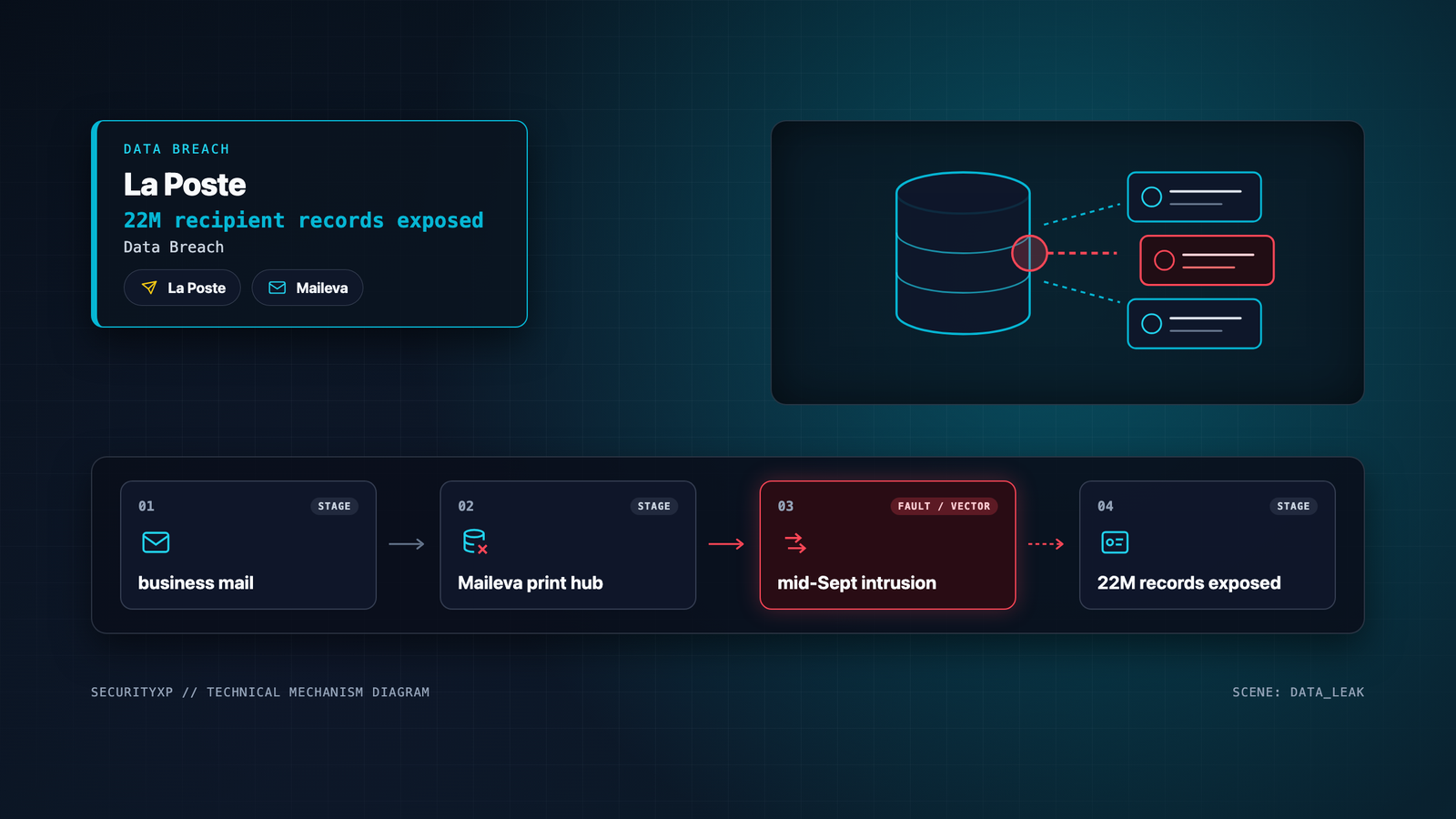
La Poste Subsidiary Maileva Discloses Breach of 22 Million Recipients' Names and Addresses
Maileva, a Docaposte subsidiary of La Poste, confirmed a mid-September intrusion that exposed first names, last names, and postal addresses for 22 million mail recipients.
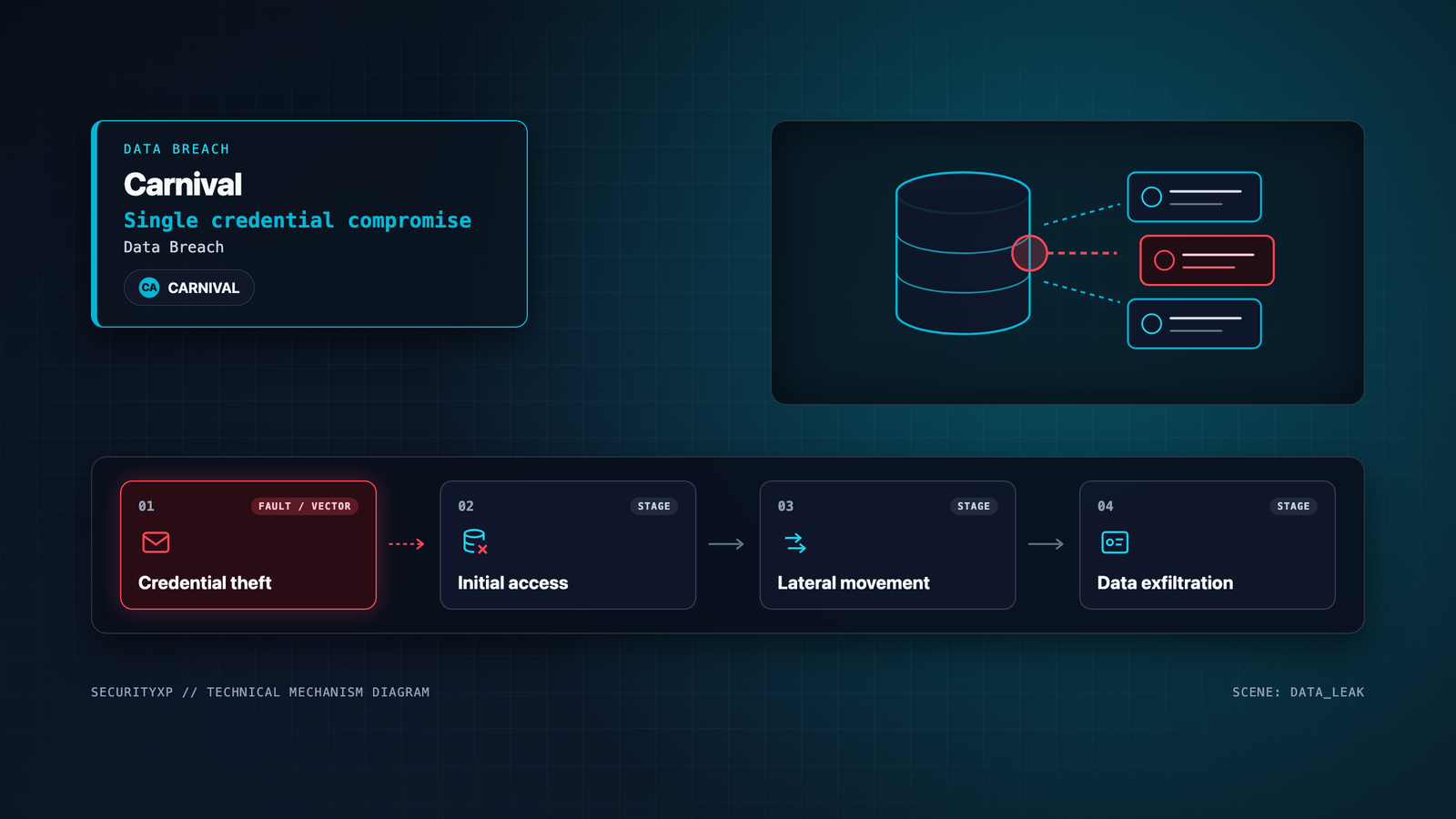
Carnival Data Breach Impacts 6 Million Customers
According to filings with the Maine Attorney General , the cruise operator is sending notification letters to 5,995,277 customers and employees. Hackers got in and exfiltrated sensitive files.
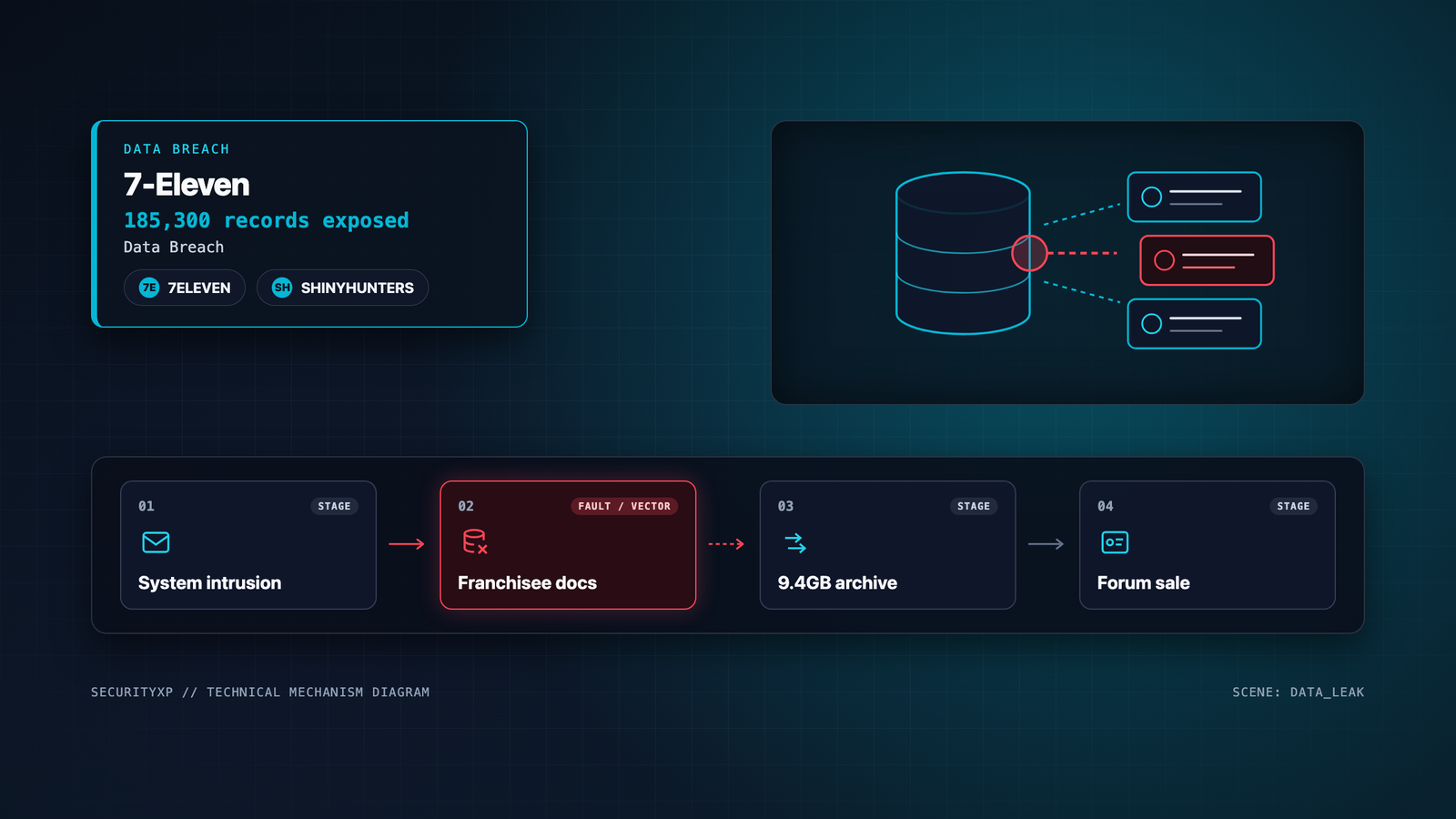
7-Eleven Data Breach: 185,000 People Exposed
The ShinyHunters extortion gang claimed responsibility, leaked a 9.4GB archive of stolen data, and is now selling it on underground forums after the company refused to pay a ransom.