
SAP Investigates GitHub Security Incident Amid Token-Theft Reports
Key Facts
- SAP told SecurityWeek that it detected suspicious activity and implemented measures to protect customers and secure its services.
- SAP said its investigation had found no evidence of unauthorized access to customer business data.
- DPA-reviewed internal SAP communications placed the suspicious activity within GitHub, according to SecurityWeek.
- Der Spiegel reported that stolen employee authentication tokens were used to copy and alter source code; SAP has not confirmed those details.
- No cited report says altered code was incorporated into software delivered to SAP customers.
SAP confirms suspicious activity, not the reported scope
SAP has confirmed that it detected suspicious activity and took measures to protect customers and secure its services. The company has not confirmed reports that attackers stole employee authentication tokens, copied private source code or altered repositories used to build its software.
“Based on our investigation to date, we have found no evidence of unauthorized access to customer business data,” SAP told SecurityWeek. That statement is important but narrow: it addresses customer business data, not the confidentiality of source code or the integrity of software build pipelines.
What the reporting establishes
SecurityWeek reported that German news agency DPA reviewed internal SAP communications placing the suspicious activity within GitHub. SAP publishes developer tools, sample applications and open-source projects on the platform, although the company has not identified any affected repository.
Der Spiegel reported an insider claim that attackers obtained SAP employees’ authentication tokens and used them to copy and alter source code. Those details remain attributed to unnamed sources. SAP has not publicly confirmed token theft, named the repositories involved or said whether any accessed code was proprietary.
Handelsblatt separately reported claims that SAP replaced signing keys, restricted GitHub access and suspended automated development operations while responding. SecurityWeek noted that none of the reports indicates tampered code was incorporated into software delivered to customers.
Why altered code is the central risk
Copied source code can create intellectual-property exposure and give an attacker material to study for weaknesses. Altered code raises a different question: whether an unauthorized change moved through review, packaging or deployment before detection.
A stolen employee token can make malicious activity appear to come from a legitimate developer identity. That increases the importance of repository audit logs, protected branches, release signing and independent build verification. It does not, by itself, prove that a malicious change reached a customer.
SAP has not disclosed whether the reported activity touched public repositories, private ones or both. It also has not said whether any modified code entered a build, package release or deployed service.
A separate incident provides context, not a confirmed link
SOCRadar noted that SAP-related developer tooling was targeted in a separate April 2026 supply-chain campaign involving malicious npm packages. That incident involved developer secrets and CI/CD credentials, but no public evidence connects it to the November GitHub activity.
The distinction matters. Reusing a similar initial-access method is not evidence of a common attacker, and the November reports do not establish that the earlier campaign supplied the tokens allegedly used in this incident.
What customers and developers can do now
SAP has not published incident-specific customer guidance. Teams that consume SAP software or SAP-maintained open-source projects can monitor the SAP Trust Center and Security Notes for an advisory tied to the incident.
Development teams should review GitHub organization audit logs for unfamiliar tokens, unusual locations or unexpected repository actions. They should also verify recent upstream changes, pin dependencies to trusted versions and investigate unexplained release-signing or package-publication activity. These are general defensive measures, not steps SAP has said are required because of this incident.
Questions still open
The investigation leaves several consequential questions unanswered: how any credentials were obtained, which repositories and products were affected, when the activity began, whether code was copied or changed, and whether an unauthorized modification reached a release. No threat actor has been publicly identified, and no group has asserted responsibility for the incident.
For now, the confirmed facts are limited. SAP identified suspicious activity, responded and reported no evidence of unauthorized access to customer business data. The broader token-theft and source-code compromise claims remain reports that require further attribution or a direct SAP disclosure.
Sources & References
- Original reporting on the suspicious GitHub activity, employee-token claims and internal SAP communications. https://www.spiegel.de/netzwelt/sap-wird-opfer-von-hackerangriff-a-6648b5ce-5d74-48dc-86ea-9469705bb91d
- DPA reporting on internal SAP communications and the company's confirmed statement. https://www.sueddeutsche.de/wirtschaft/softwarekonzern-sap-haben-verdaechtige-aktivitaeten-identifiziert-dpa.urn-newsml-dpa-com-20090101-261126-930-57534
- SOCRadar catalogs which claims SAP confirmed, which came from internal communications and which remain unconfirmed. https://socradar.io/blog/sap-security-incident-github-tokens-source-code

Analyst-reviewed briefings on active exploitation, ransomware operations, nation-state campaigns, and the threat intelligence that connects them.
Security Digest
The most important cybersecurity stories, CVE alerts, and threat intelligence — one concise email. Unsubscribe anytime.
Related Articles
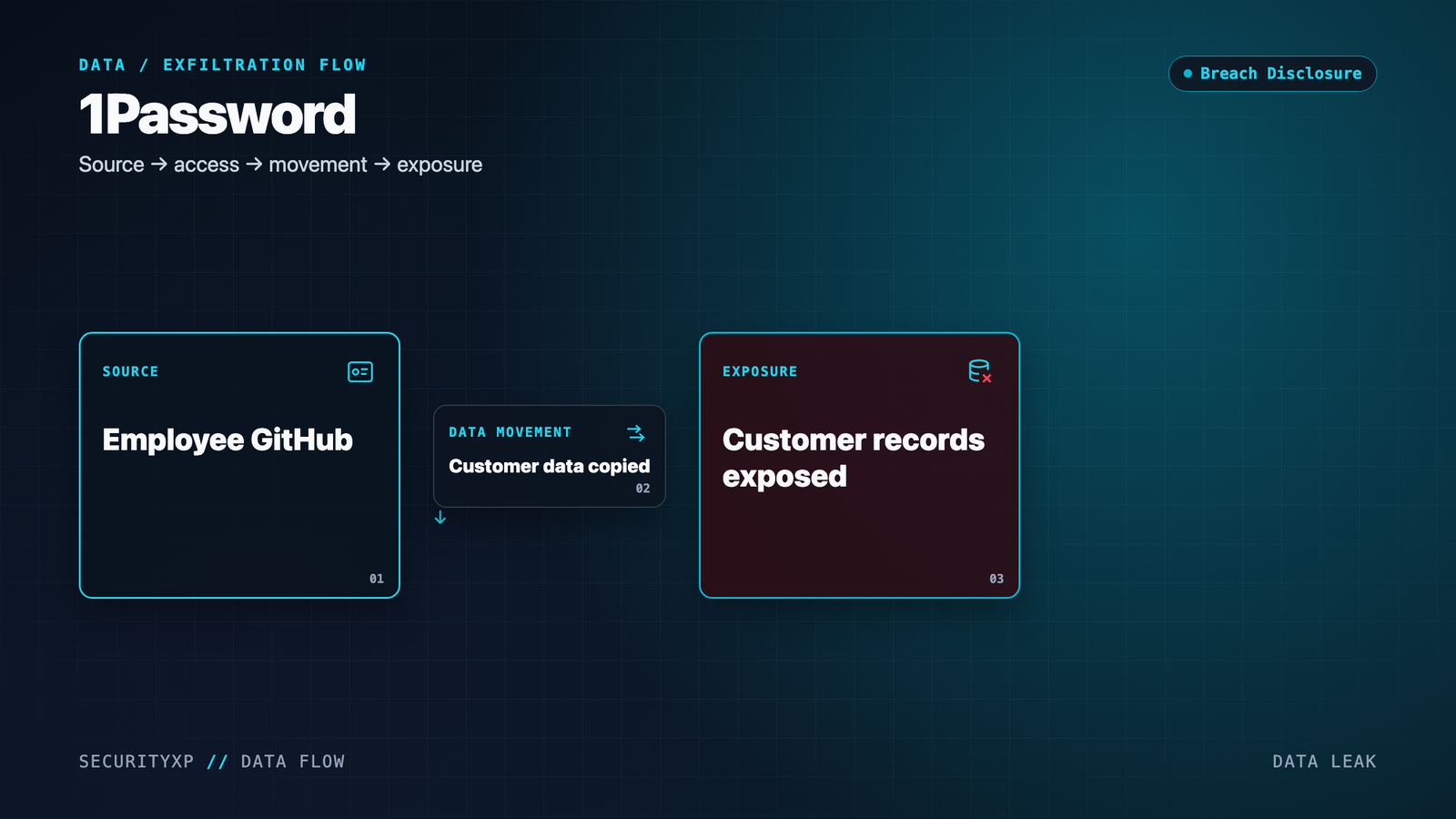
1Password Discloses GitHub Account Breach Exposing Customer Data and Source Code
1Password says an attacker used an employee GitHub account to reach backend services, copy source code and steal limited customer account data.
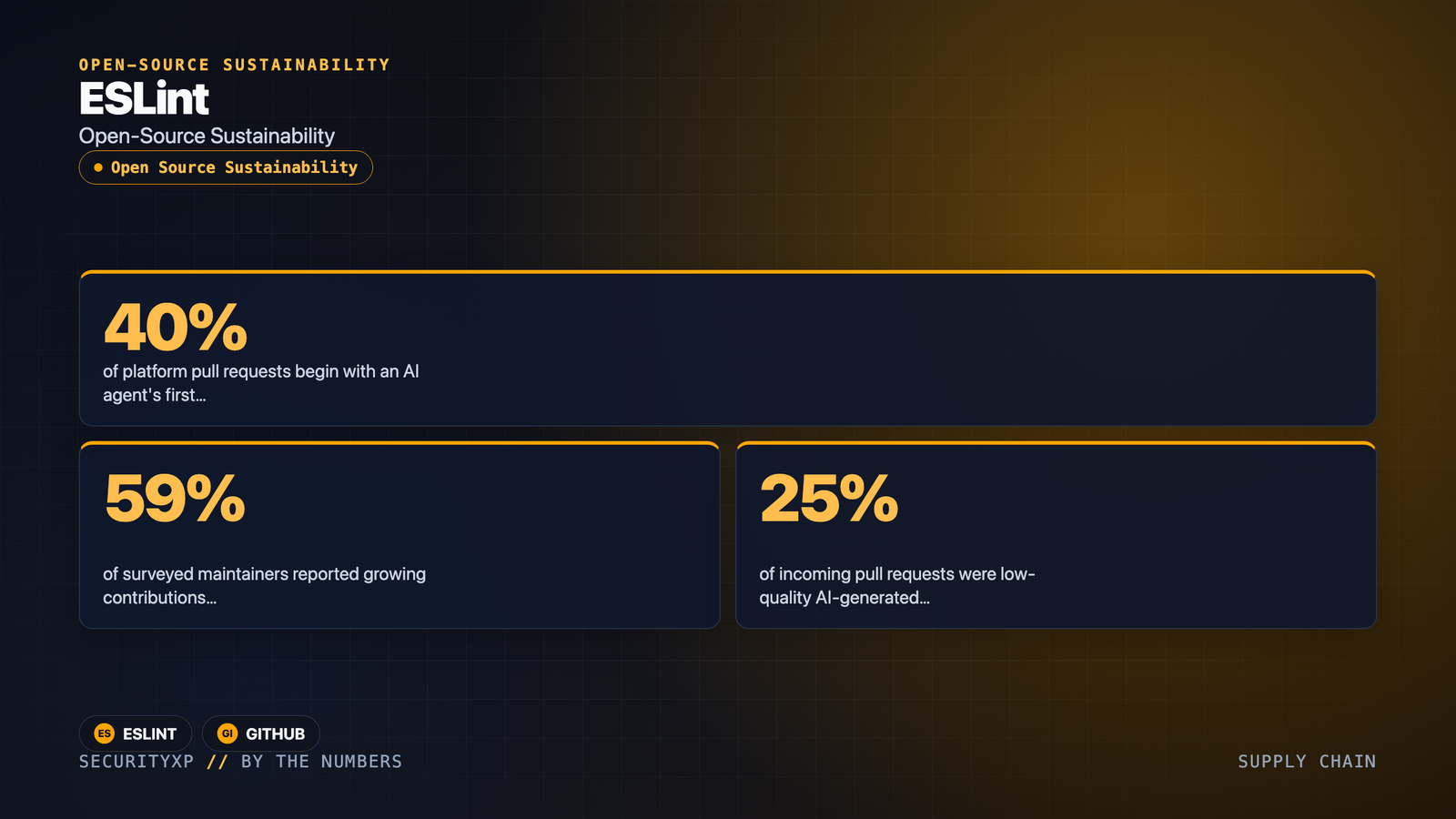
ESLint's Payout Program Ended Over AI-Generated Code
ESLint ended its paid contributor program after AI-generated pull requests overwhelmed volunteer review capacity — a supply-chain integrity signal with downstream consequences.
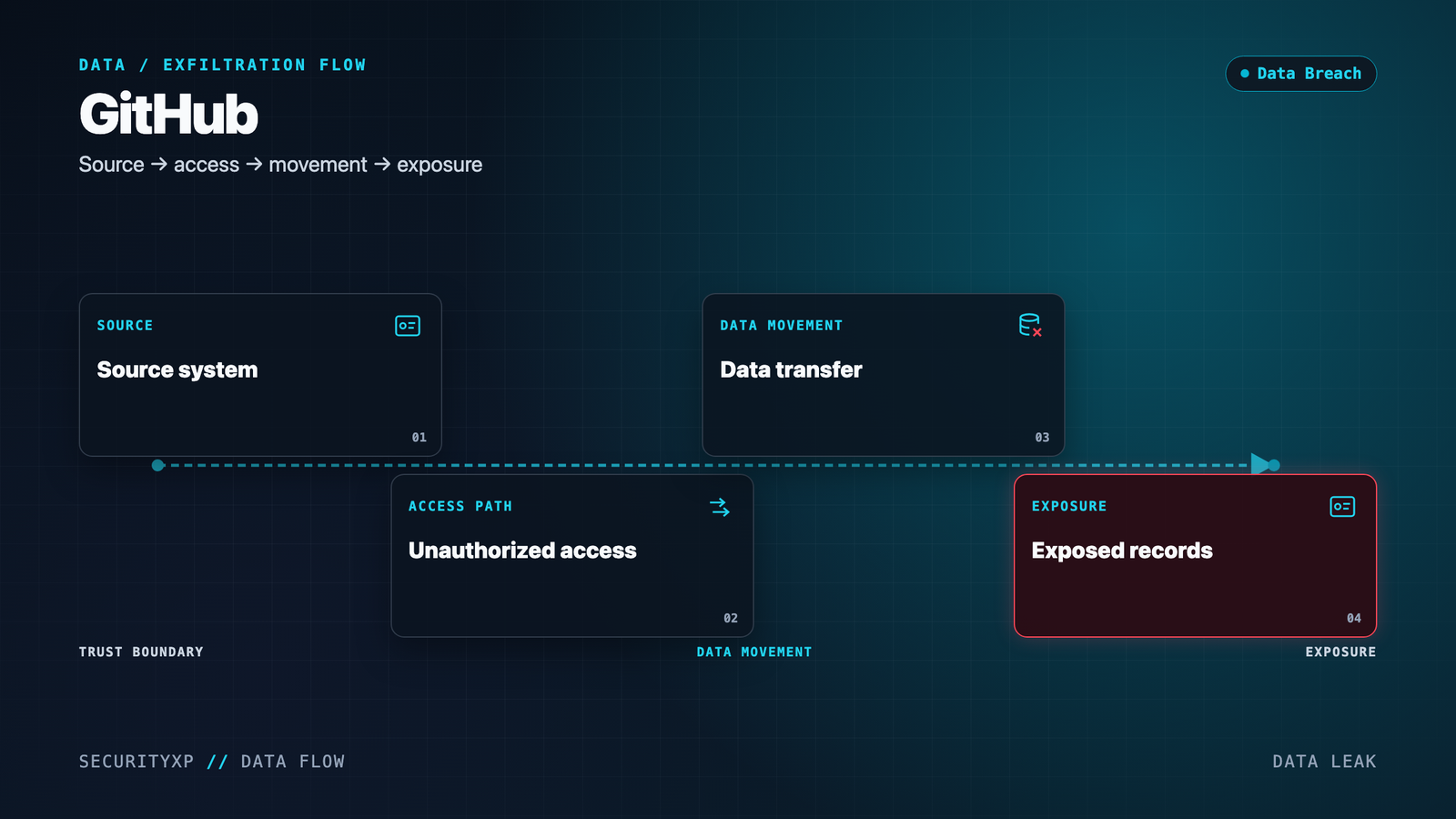
Novo Nordisk Breached: Ozempic Maker Suffers 264 GB Data Leak
They allegedly breached Novo in March via a GitHub access token that let it clone the company's repositories and find additional credentials.
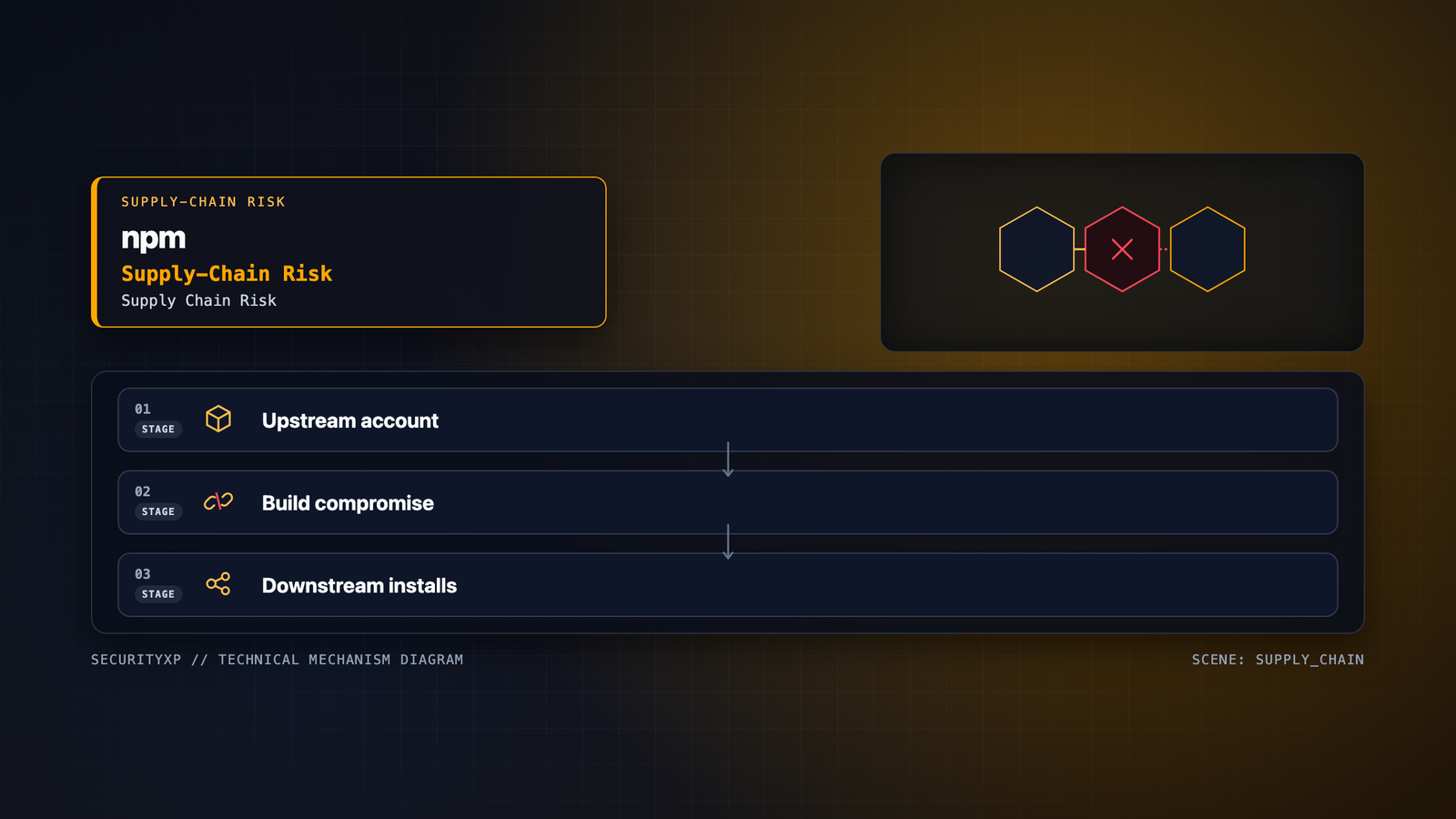
Feds & npm Issue Supply Chain Security Guidance
Faster development times, innovation, and a thriving open-source community have all been made possible by the ability to use another developer's project as a dependency. With many JavaScript projects