
Cloud One breach raises questions about US Air Force cloud security
Key Facts
- Reuters reported that hackers exploited an unidentified software vulnerability to breach Cloud One and access its control plane.
- Two sources said the intrusion was discovered within roughly the past month, during work to upgrade the system.
- The intrusion disrupted operations across Cloud One, and investigators brought in Cyber Command to assess the damage.
- Cloud One hosts the Air Force’s Cloud-Based Command and Control system, which brings together air defence radar information and other data feeds from across North America.
Access to the control plane
Hackers exploited an unidentified software vulnerability to breach the US Air Force’s Cloud One computing platform and access its control plane, Reuters reported. The report raises an immediate question: what did the attackers reach beyond the point of entry?
The concern extends beyond Cloud One itself. The breach raised concerns about the security of sensitive military information, including tactical operations, personnel records and logistics data. Those categories cover different parts of the service’s work, not just one narrow class of records.
But the account available so far does not show that the intruders read, changed or removed any specific information. Control-plane access is not the same as proof of data theft. The distinction matters because an initial report can describe a serious security failure without establishing the full scope of what followed.
Sources said investigators brought in Cyber Command to assess the damage. That step indicates the response was not limited to routine maintenance. It also reflects the need to determine how the intrusion affected a platform used across multiple Air Force functions.
The operational stakes
Cloud One also has an operational role. Among the applications hosted on it is the Air Force’s Cloud-Based Command and Control system, which brings together air defence radar information and other data feeds from across North America.
That workload gives the platform operational importance. Command and control depends on bringing information together so it can support decisions. A security problem on a cloud platform that hosts such a system therefore deserves attention for more than the sensitivity of the files stored there.
Still, hosting a command-and-control application does not by itself establish that the attackers gained access to that application. The reported intrusion reached Cloud One’s control plane. The available facts do not describe a separate breach of the command-and-control system, nor do they show how radar information or other feeds were affected.
The same caution applies to personnel and logistics data. They are among the kinds of sensitive information at issue, but the report does not say that a particular record was exposed. The clear finding is that operations across Cloud One were disrupted; the extent of any information compromise remains unspecified.
Timing and disruption
Two sources told Reuters that the intrusion was discovered within roughly the past month, during work to upgrade the system. That detail places the discovery in a period when the platform was already being worked on. It does not, on its own, establish that the upgrade caused the breach.
The intrusion disrupted operations across the platform. The report does not provide a detailed account of which services stopped, how long they were unavailable or whether the disruption continued. Those limits are important. They separate the confirmed operational effect from questions about duration, reach and recovery.
The vulnerability itself was unidentified in the account provided. No software name, flaw type or method of exploitation is given. Without those details, it is difficult to judge whether the problem was isolated or part of a wider pattern.
What the Air Force has said
The Air Force said in a statement to Reuters that it “does not comment on the security posture, vulnerabilities or operational status of specific networks and systems,” adding: “We continuously take prudent measures to protect Department (of the Air Force) information, systems and mission capabilities.”
That statement sets out the service’s general position, but it does not answer the specific questions raised by this report. It does not describe the vulnerability, the scope of access or the current condition of Cloud One. Reuters’ account, attributed to sources, therefore remains the basis for the details of the breach.
The breach comes amid broader unease over AI-powered cyber intrusions targeting cloud-based networks. That context helps explain the concern, but it is not evidence that AI played a part in this intrusion. Nothing in the available account attributes the attack to an AI-enabled method.
The central lesson is a limited one. A military cloud platform was breached through an unidentified vulnerability, its control plane was accessed, and operations were disrupted. Cyber Command was brought in to assess the damage. Until more detail is available, those facts support concern about cloud security, but not claims about stolen data, affected applications or the identity of the attackers.
Sources & References
- Gold Rate Today in India 28 November 2026. Live Gold Prices of 18, 22 & 24 Carat Per 10 Gram with Historical Data. Primary tier1 news india. https://www.livemint.com/gold-prices
- Source referenced in coverage https://www.livemint.com/technology/cloud-one-cyberattack-us-air-force-platform-backed-by-tech-giants-microsoft-amazon-oracle-alphabet-reportedly-hacked-11795798278354.html
- Source referenced in coverage https://www.breitbart.com/tech/2026/11/27/report-hackers-breach-air-forces-cloud-one-computing-platform/

SecurityXP delivers cybersecurity news, vulnerability analysis, data breach reports, and threat intelligence.
Security Digest
The most important cybersecurity stories, CVE alerts, and threat intelligence — one concise email. Unsubscribe anytime.
Related Articles
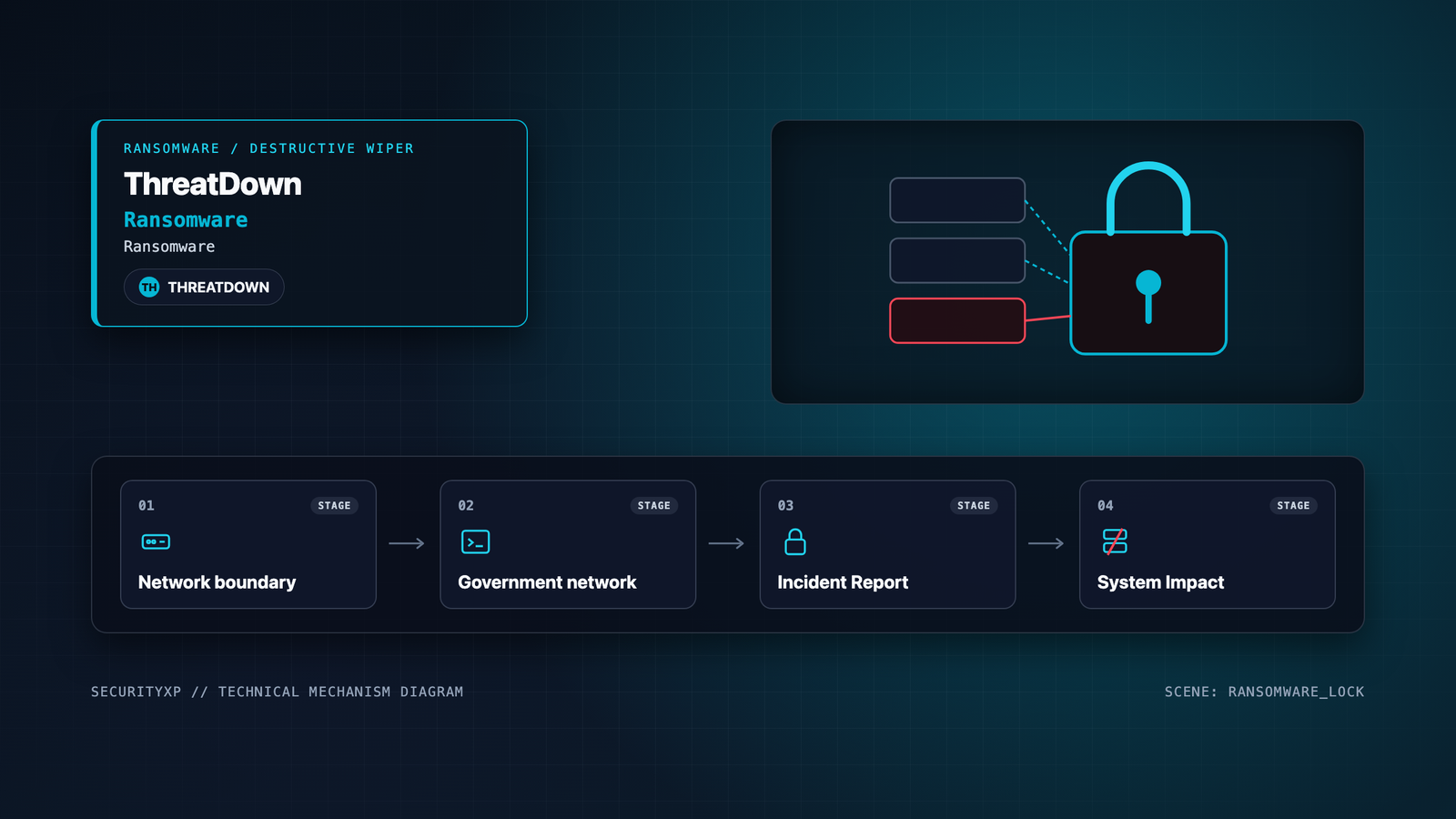
Booba Ransomware Spreads From Water Plant to Local Government Network
ThreatDown reported Booba’s spread from an East Coast water treatment plant to the overseeing local government’s network, while finding no evidence of disrupted water operations.
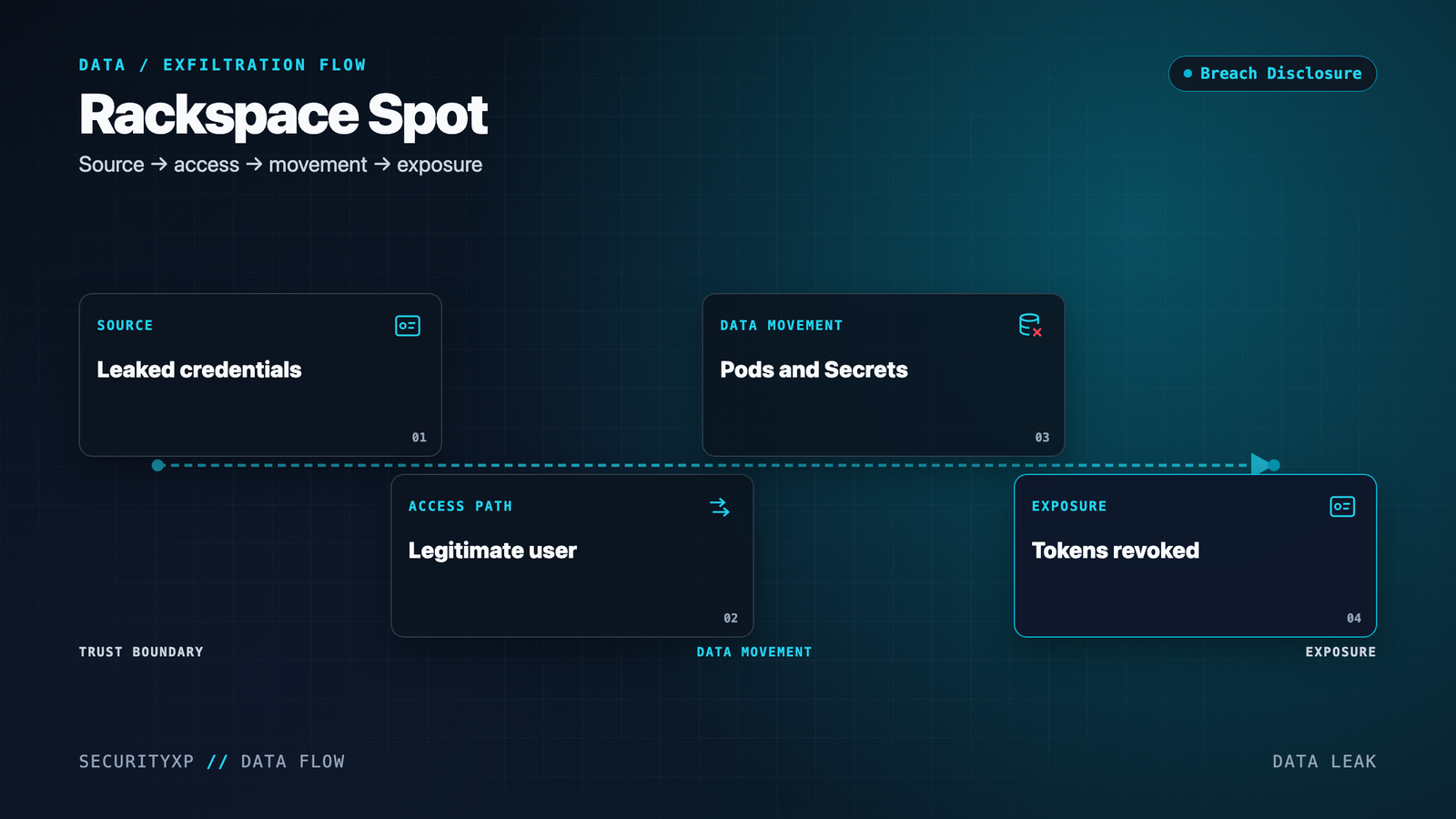
Rackspace Spot Breach Exposed Kubernetes Secrets Through Leaked Credentials
Rackspace says leaked credentials let an attacker act as legitimate users in some Spot customer organizations, create pods and read Kubernetes Secrets between 00:20 and 22:00 UTC on November 17.
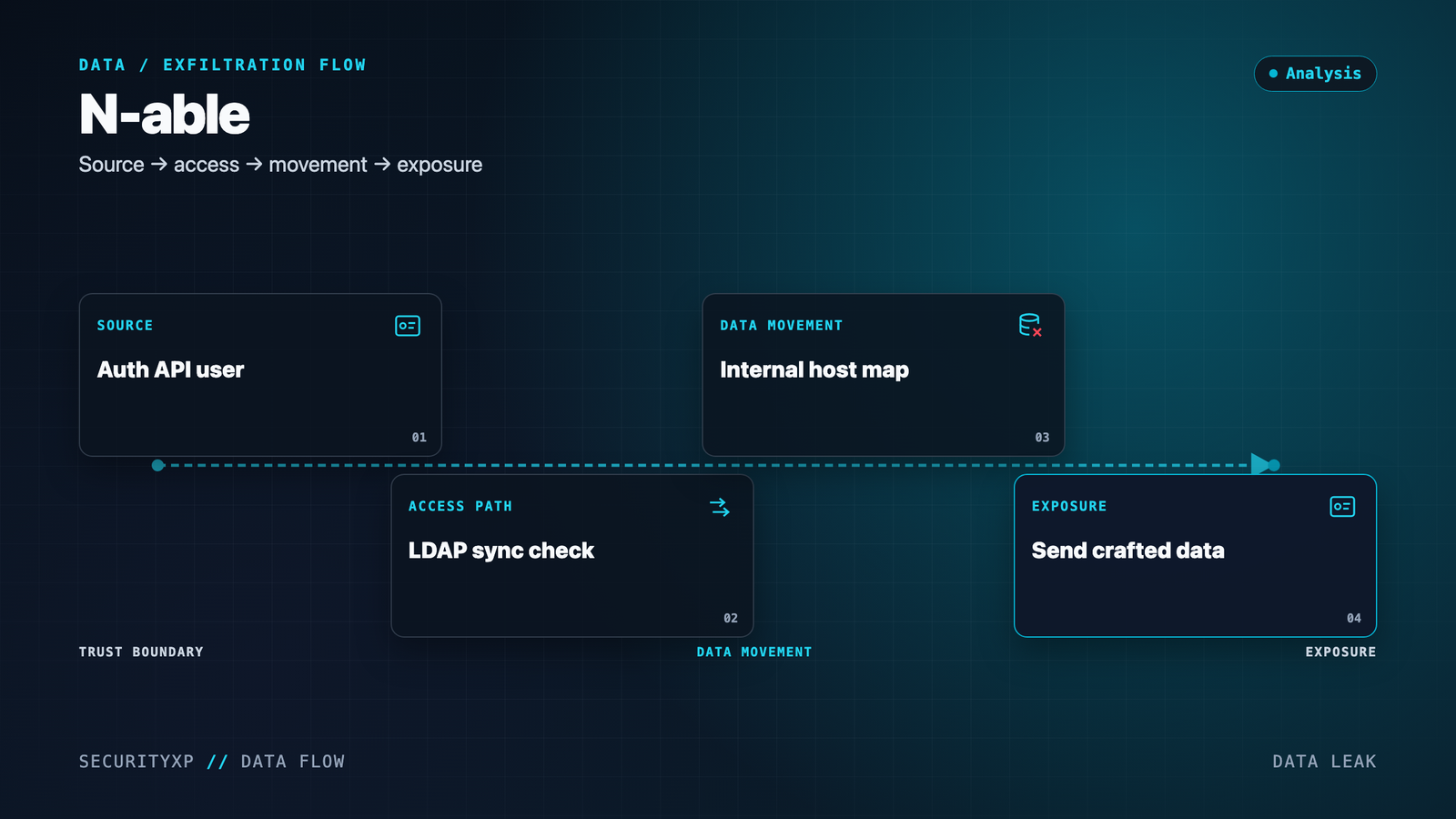
N-able Discloses Critical MailAssure SSRF Flaw Found During Hosted Cloud Breach Investigation
N-able disclosed a critical server-side request forgery vulnerability in MailAssure yesterday after discovering it during an investigation into the breach…
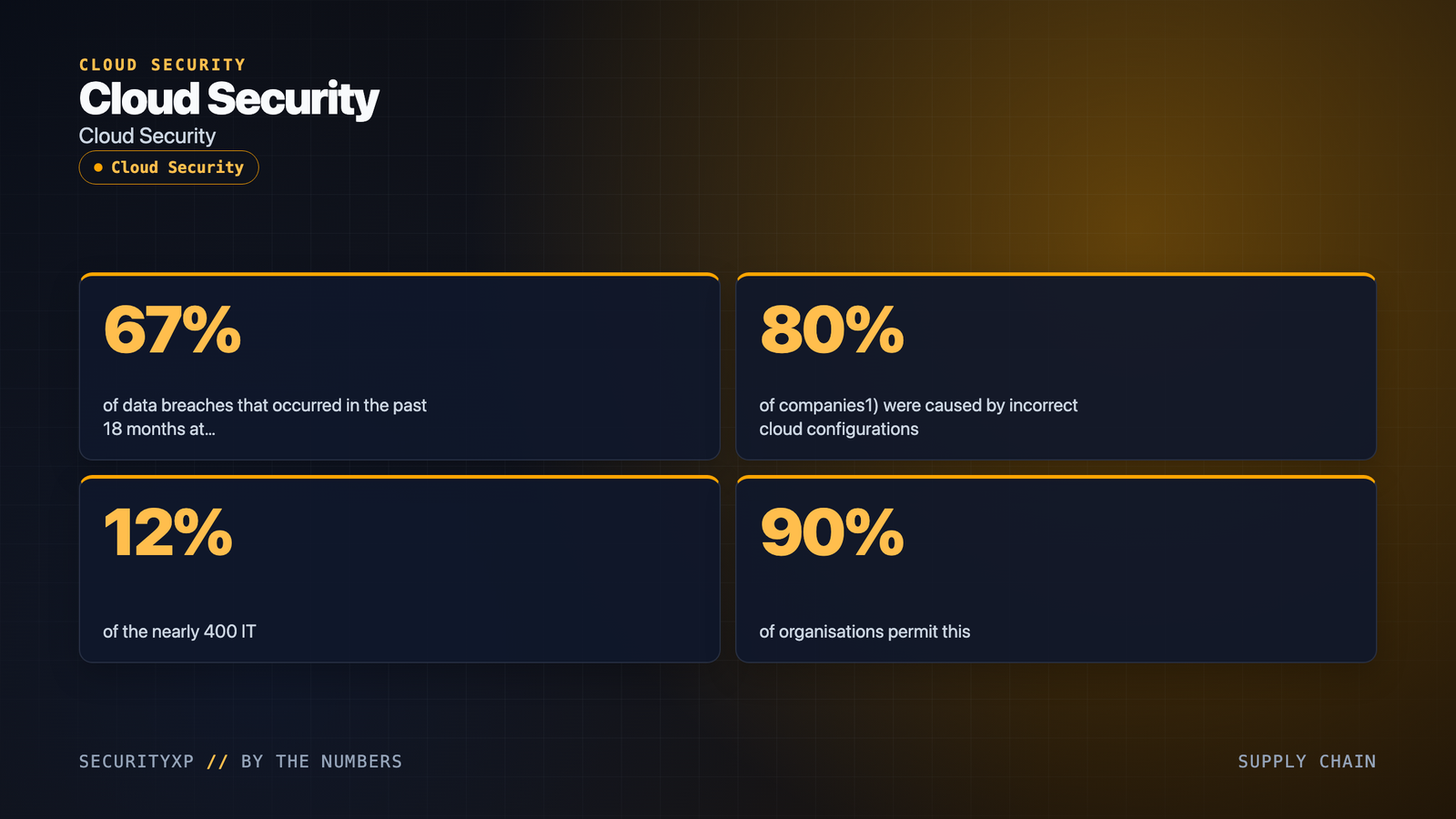
DevSecOps: Cultural Shift, Not Just Tech
DecSecOps, which is typically viewed as an integrated team of development, operational, and security practitioners that can securely deliver innovation within a defined scope to market, is an ideal...