
Critical Linux NFS flaw enables unauthenticated root-shell access
Key Facts
- The flaw was introduced in Linux 3.16 in 2014 and is now patched in eight stable kernel branches: 5.10.275, 5.15.226, 6.1.193, 6.6.163, 6.12.117, 6.18.61, 7.3.2 and 7.4-rc1.
- Classification: Severe, Solution: Official Fix, Exploit Maturity: Not Defined, CVSSv3.1: 9.8, CVEs: CVE-2026-99362, Summary: In the Linux kernel, the following vulnerability has been resolved: nfsd: preflight SEQUENCE replies before accepting a slot nfsd4_sequence() narrows the reply buffer to the session's cached reply limit before it accepts the slot seqid.
- A researcher with French security agency ANSSI, Jérémy Jean, found the bug in August, and his fix was merged into the mainline kernel on September 14.
- However, since it takes time for all supported kernel branches to backport fixes, the bug wasn’t disclosed, nor was a CVE ID assigned, until November 19.
- OpenSec found the bug using its AI-powered security testing harness and submitted its own patch to the Linux kernel maintainers on September 22.
CVE-2026-99362 is a critical heap overflow in the Linux kernel’s NFS file-sharing server that allows unauthenticated attackers to obtain a root shell on affected systems. Also known as NFS2ROOT, the vulnerability carries a CVSSv3.1 score of 9.8 and gives anyone who reaches a server’s file-sharing port root access without a password.
A 12-year path to root execution
The flaw was introduced in Linux 3.16 in 2014 and went undetected in the kernel for 12 years. The affected code path is nfsd4_sequence(), which narrows the reply buffer to the session’s cached reply limit before accepting the slot seqid. The official fix, summarized as “nfsd: preflight SEQUENCE replies before accepting a slot,” changes that order. OpenSec Intelligence, which published technical details about the heap overflow this week, says it can be exploited to gain root privileges.
Discovery and disclosure
Jérémy Jean, a researcher with the French security agency ANSSI, found the bug in August, and his fix was merged into the mainline kernel on September 14. OpenSec also found it using its AI-powered security testing use and submitted its own patch to the Linux kernel maintainers on September 22. Supported kernel branches needed time to backport the fixes, so the vulnerability was neither disclosed nor assigned a CVE ID until November 19.
Patched kernels and exposed devices
The flaw is patched in eight kernel branches: 5.10.275, 5.15.226, 6.1.193, 6.6.163, 6.12.117, 6.18.61, 7.3.2 and 7.4-rc1. NFS file sharing is also enabled on many embedded devices and network-attached storage (NAS) devices, which may run older kernels and can only be patched through firmware updates.
Sources & References
- Source referenced in coverage https://nvd.nist.gov/vuln/detail/cve-2026-99362
- Source referenced in coverage https://www.ncsc.nl/alerts/meerdere-kwetsbaarheden-in-linux-kernel-update-aanbevolen
- CVE-2026-99362 — Intel advisory. https://www.intel.com/content/www/us/en/security-center/advisory/cve-2026-99362.html
- CVE-2026-99362 — National Vulnerability Database

SecurityXP delivers cybersecurity news, vulnerability analysis, data breach reports, and threat intelligence.
Security Digest
The most important cybersecurity stories, CVE alerts, and threat intelligence — one concise email. Unsubscribe anytime.
Related Articles
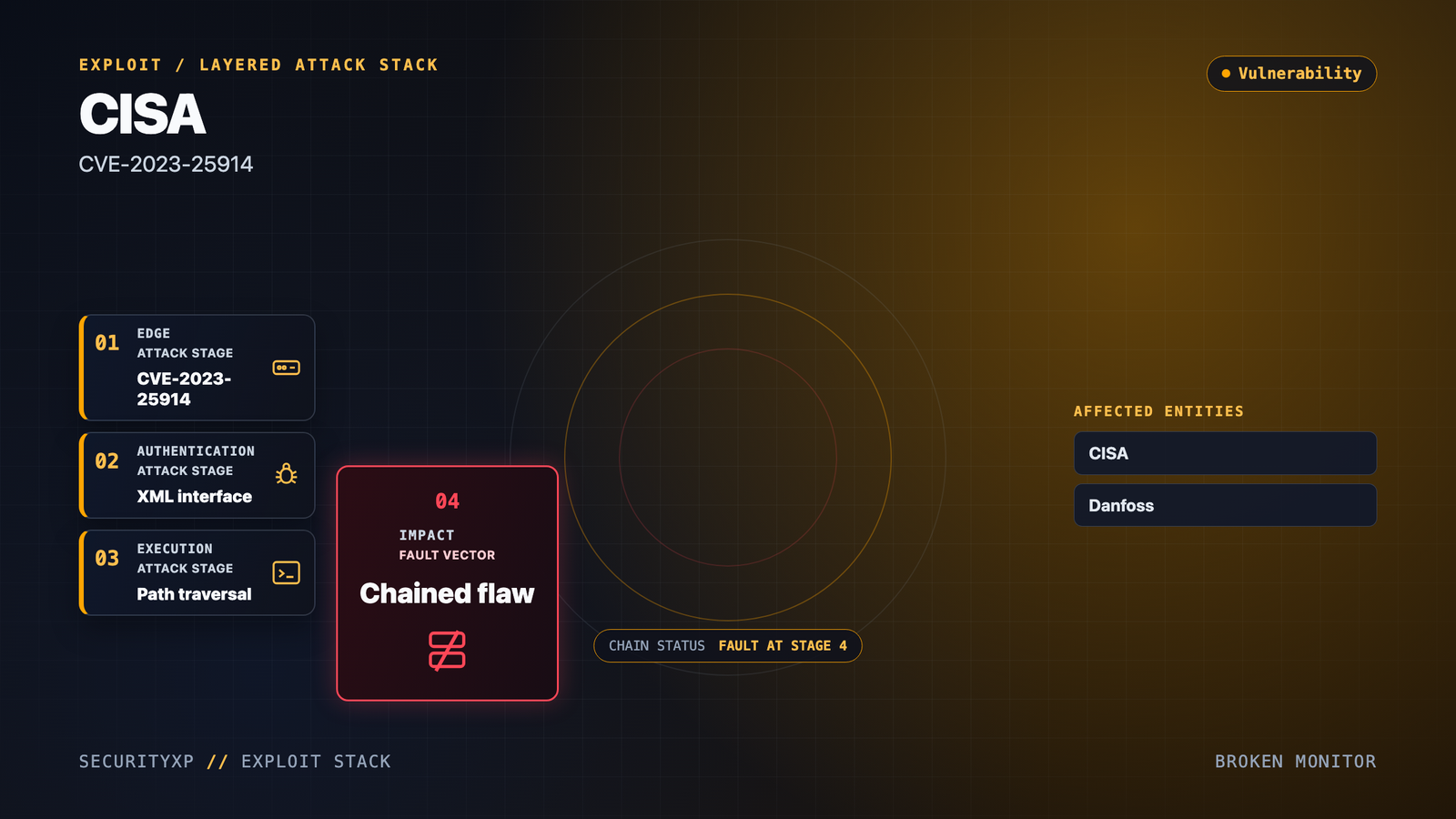
CISA flags actively exploited HPE, Danfoss, Mitel MiCollab and Vates Xen Orchestra flaws
CISA has flagged HPE, Danfoss, Mitel MiCollab and Vates Xen Orchestra flaws as actively exploited, including a Danfoss path traversal issue that chains to…
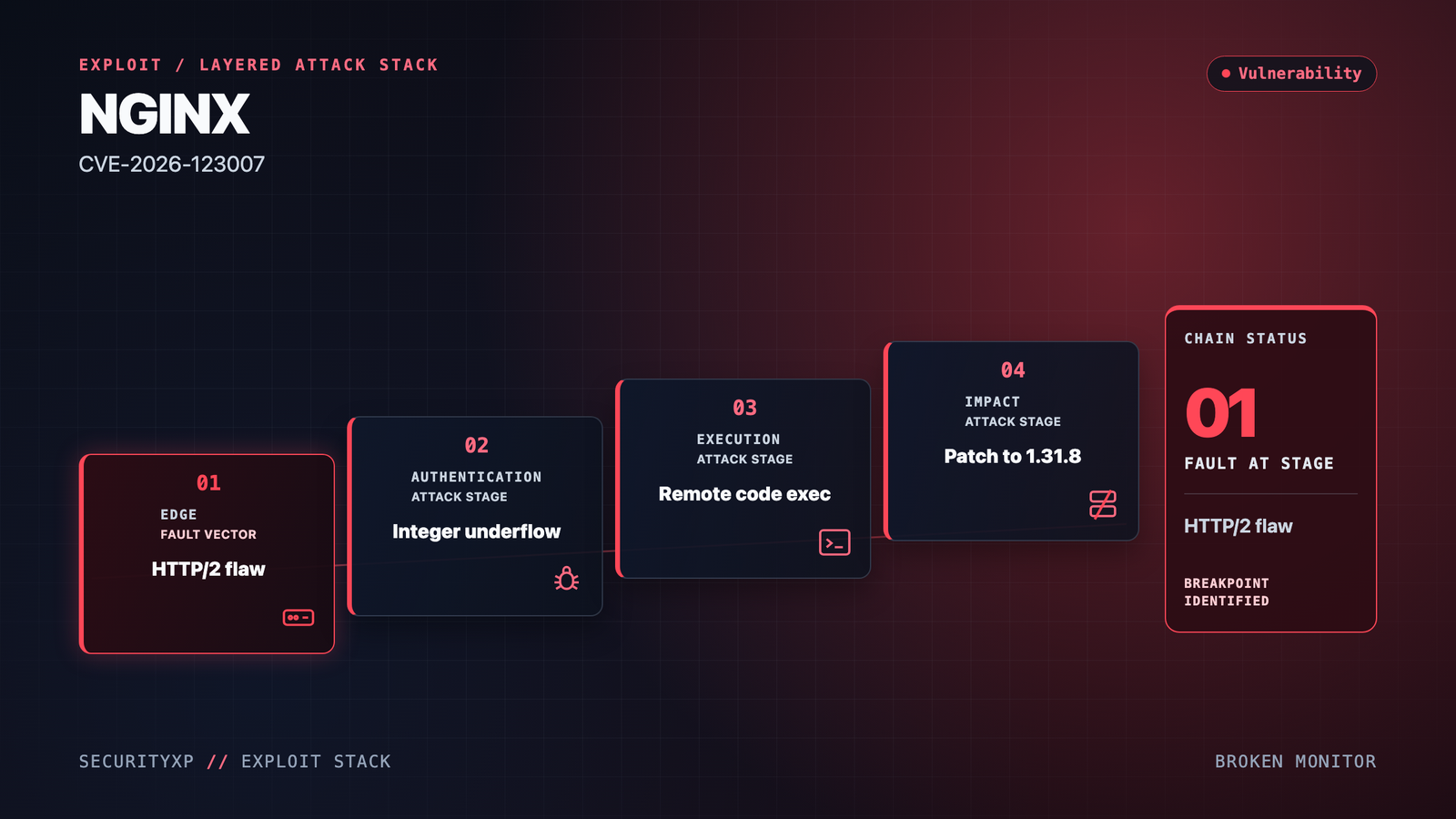
NGINX2Root: Five Critical NGINX RCE Flaws and the Limits of the Public Exploit Record
On November 18, F5 released an out-of-band security update covering 10 vulnerabilities in NGINX Plus and NGINX Open Source.
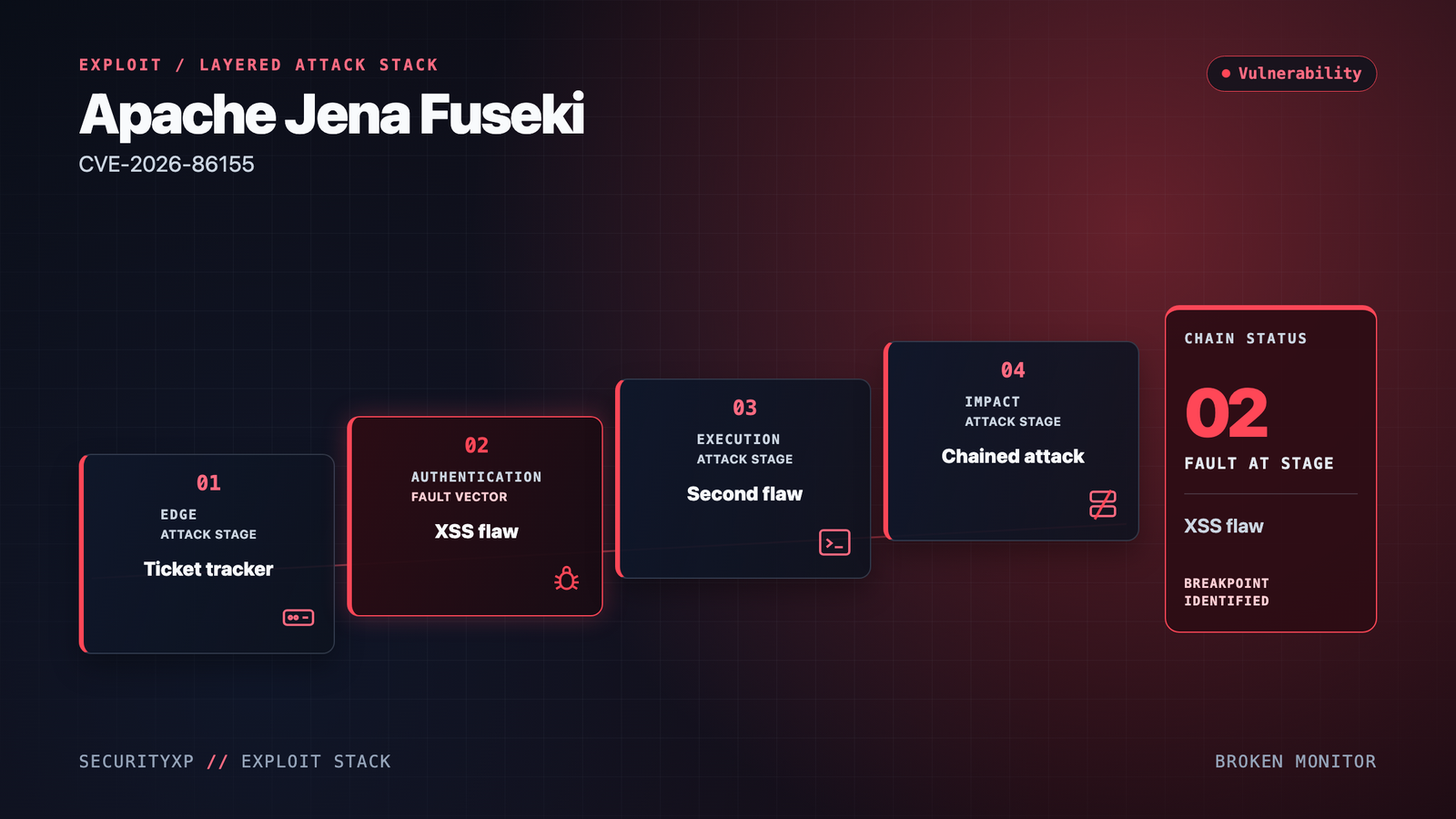
Critical ticket-tracker XSS flaw can chain to another vulnerability
Users are recommended to upgrade to version 1.23.0, which fixes the issue.
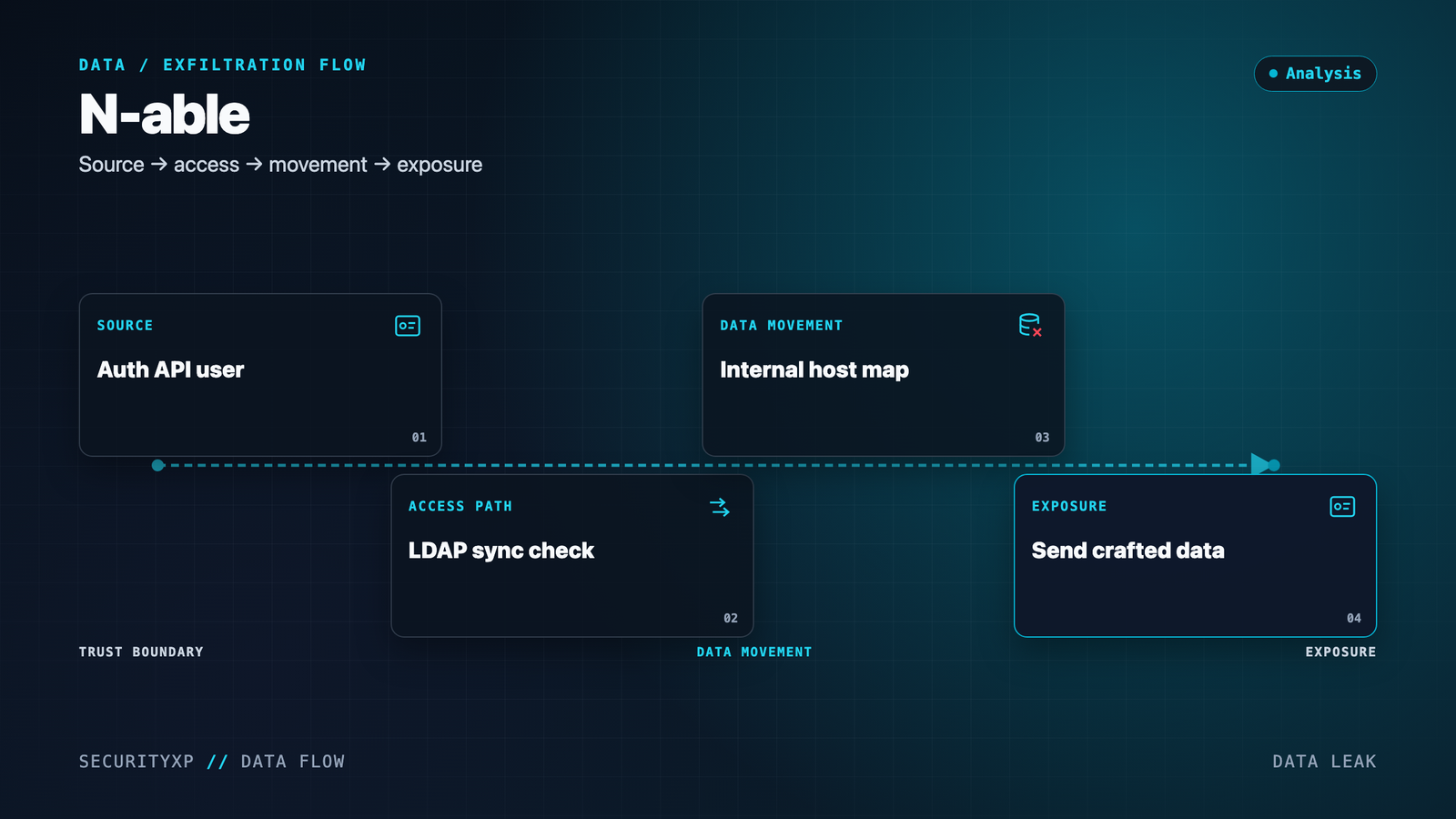
N-able Discloses Critical MailAssure SSRF Flaw Found During Hosted Cloud Breach Investigation
N-able disclosed a critical server-side request forgery vulnerability in MailAssure yesterday after discovering it during an investigation into the breach…