Author
SecurityXP
115 articles published · Page 6 of 6 RSS feed

SecurityXP delivers cybersecurity news, vulnerability analysis, data breach reports, and threat intelligence.
Articles
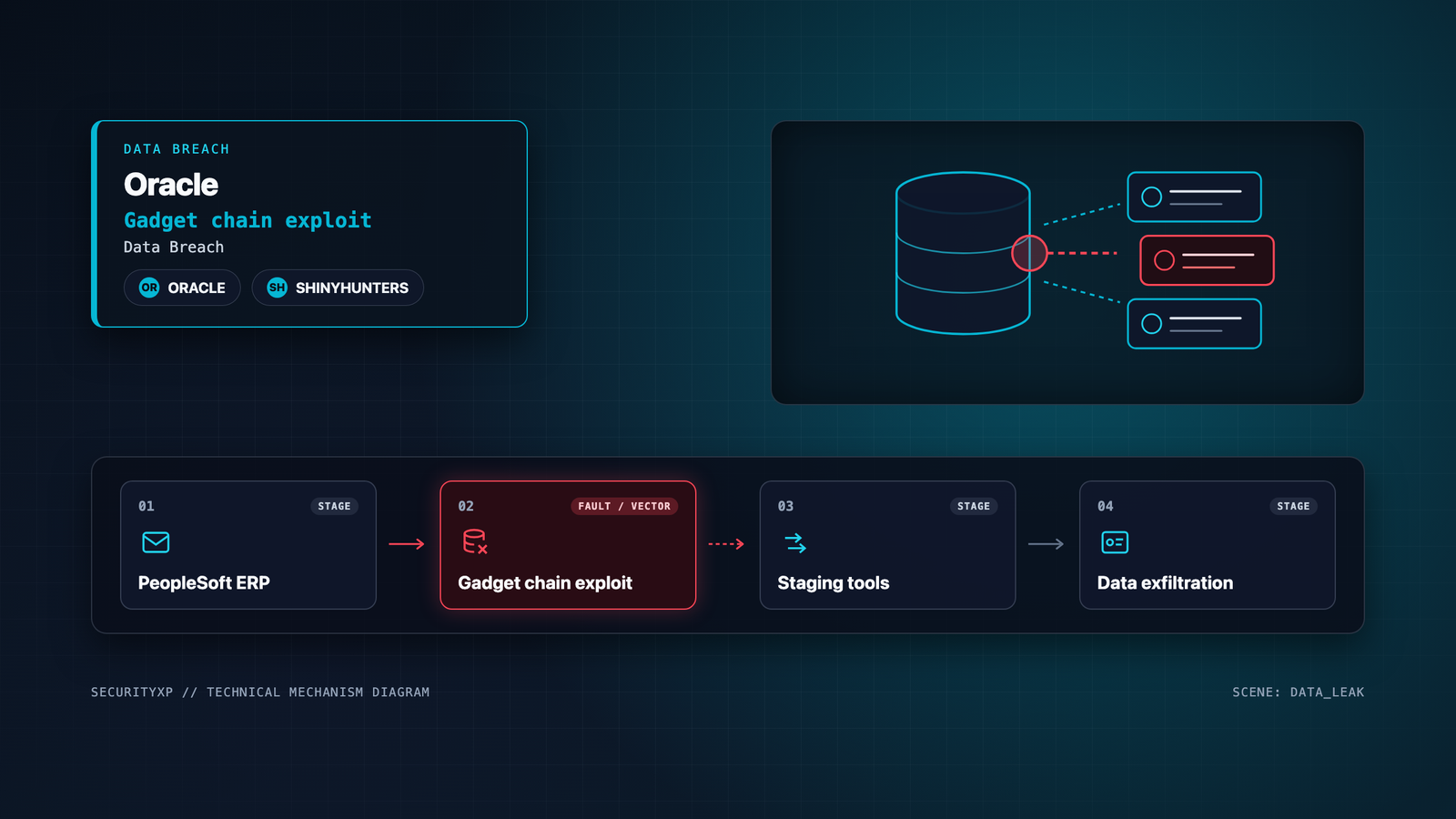
115 totalOracle PeopleSoft servers hacked in ShinyHunters data theft attacks
ShinyHunters, or a group impersonating them, has been targeting Oracle PeopleSoft ERP servers in data theft attacks, with researchers publishing IP-address IOCs.
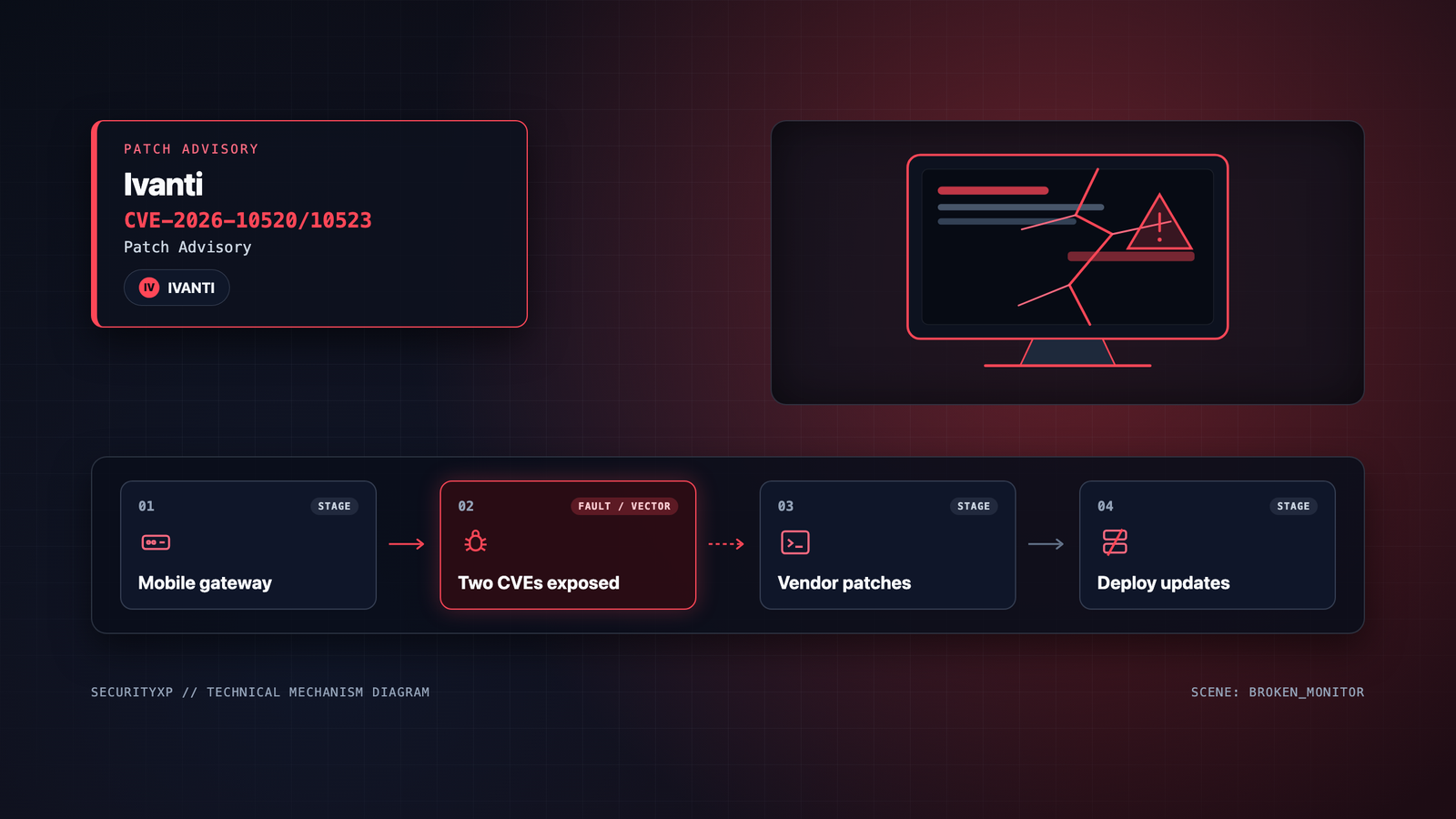
Ivanti releases patches for critical Sentry vulnerabilities
Ivanti has patched two critical Sentry vulnerabilities (CVE-2026-10520 and CVE-2026-10523) affecting the gateway that secures traffic to mobile devices.
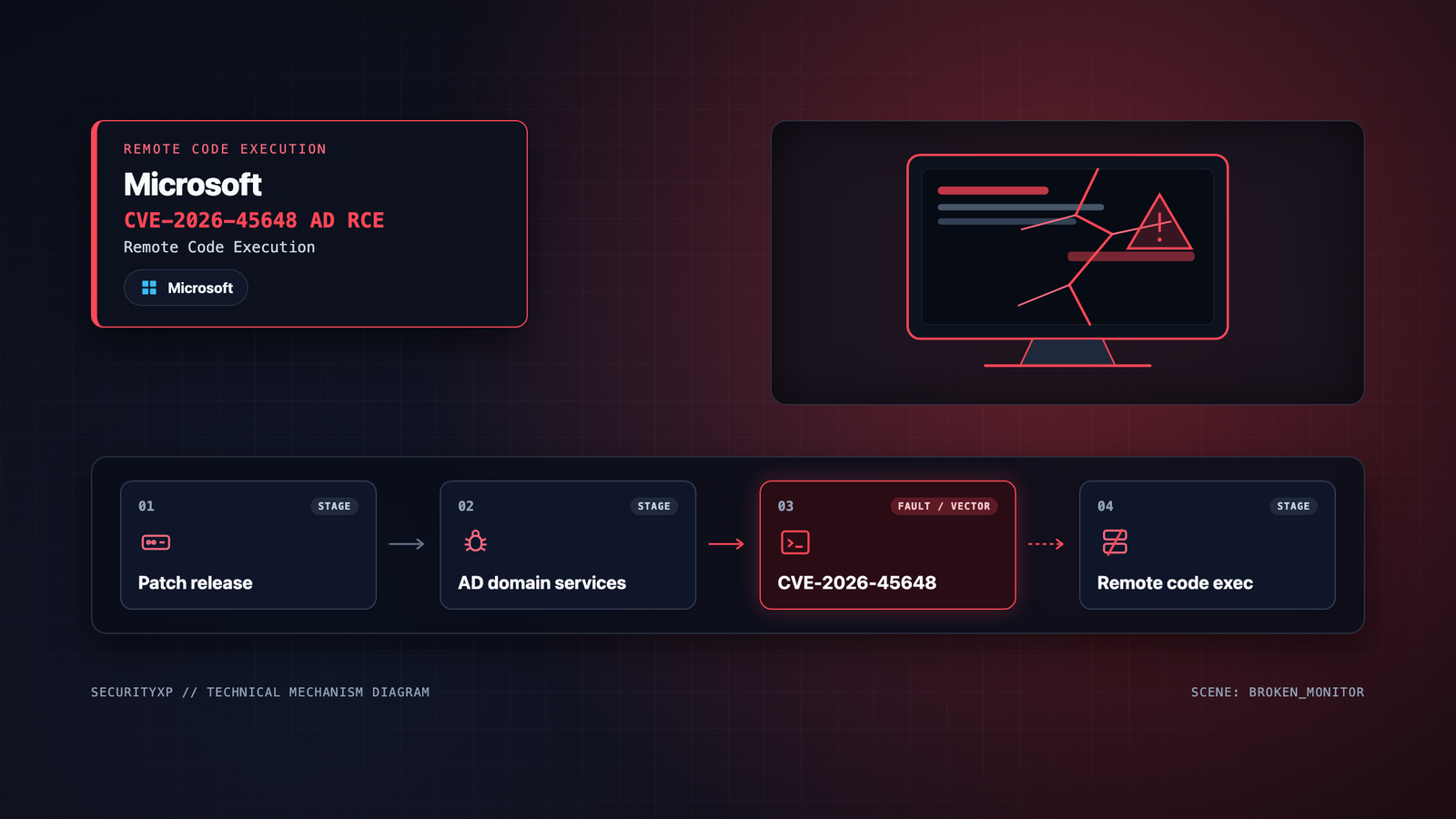
Microsoft Patches Record 200 Vulnerabilities in June 2026 Patch Tuesday
Microsoft's June 2026 Patch Tuesday fixes a record 200 vulnerabilities, including a critical Active Directory RCE (CVE-2026-45648, CVSS 8.8).
Microsoft June 2026 Security Updates
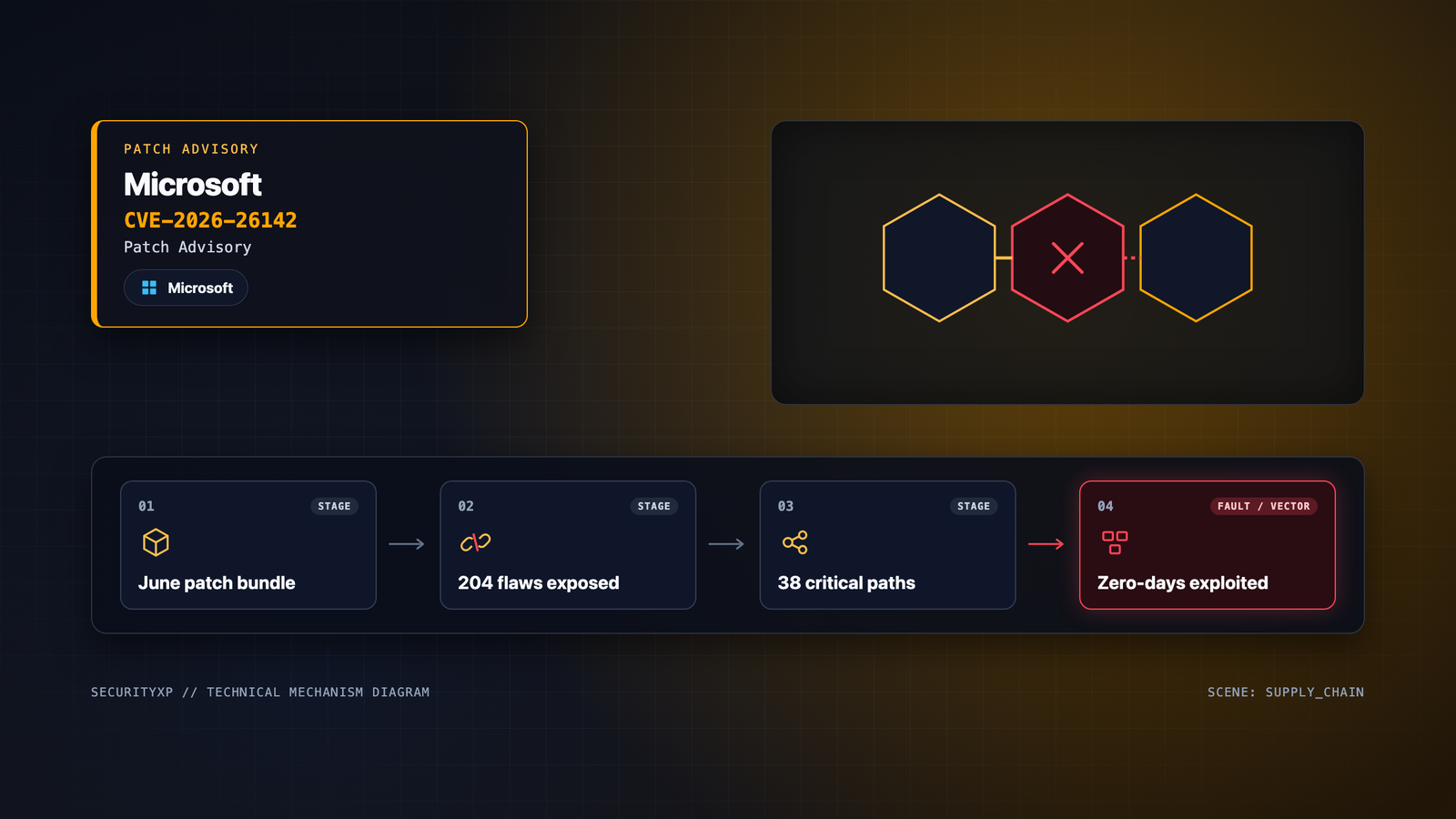
Microsoft's Urgent Security Update Microsoft has just released a massive security update, fixing 204 vulnerabilities, including 38 critical ones. This is a...
SAP fixes critical flaws in NetWeaver and Commerce Cloud
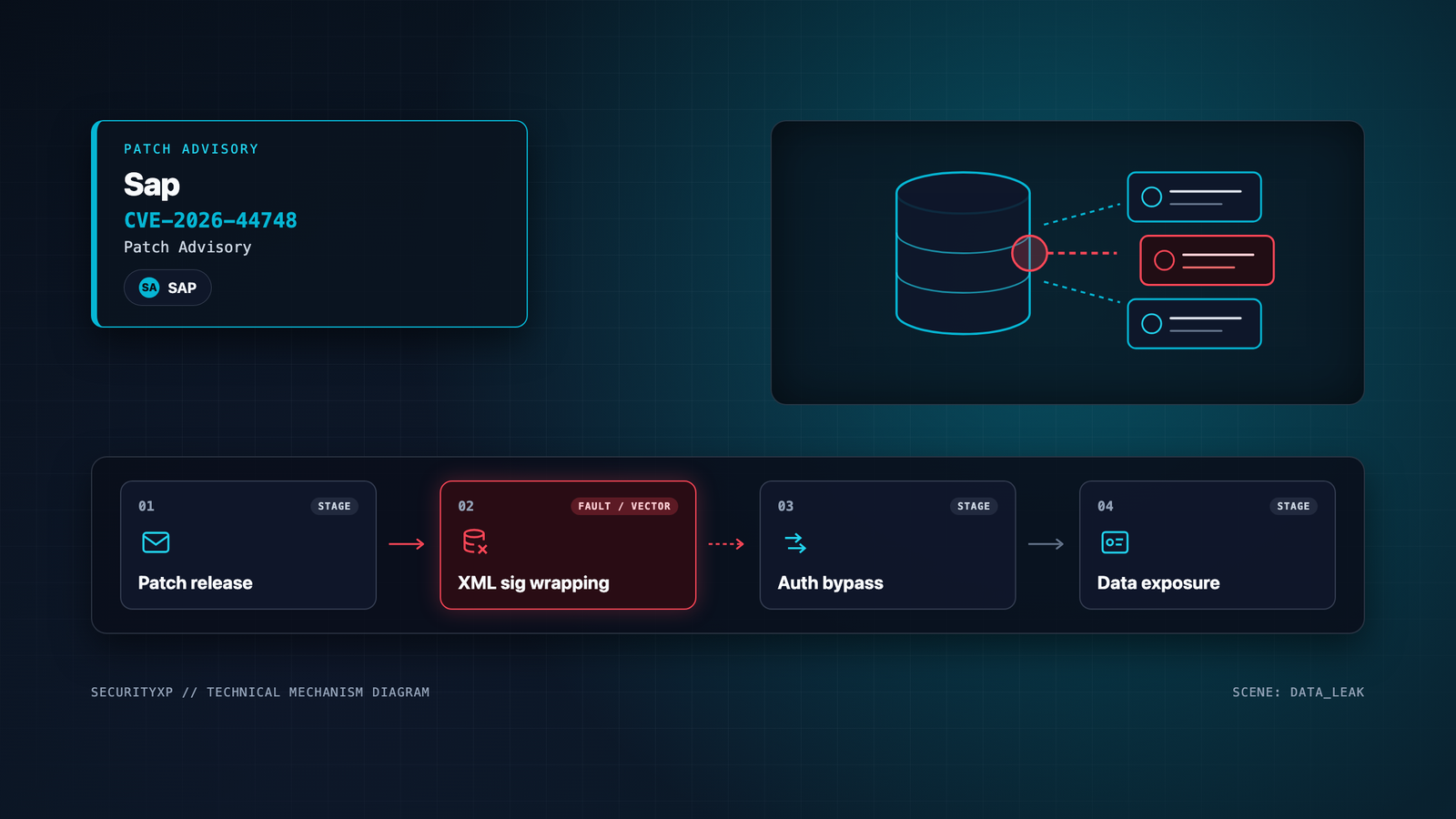
Uncovering Critical Flaws in SAP NetWeaver and Commerce Cloud SAP's June 2026 Security Patch package is a big deal. It fixes 15 vulnerabilities, including...
Limitations of STRIDE in Threat Modeling AI Agents
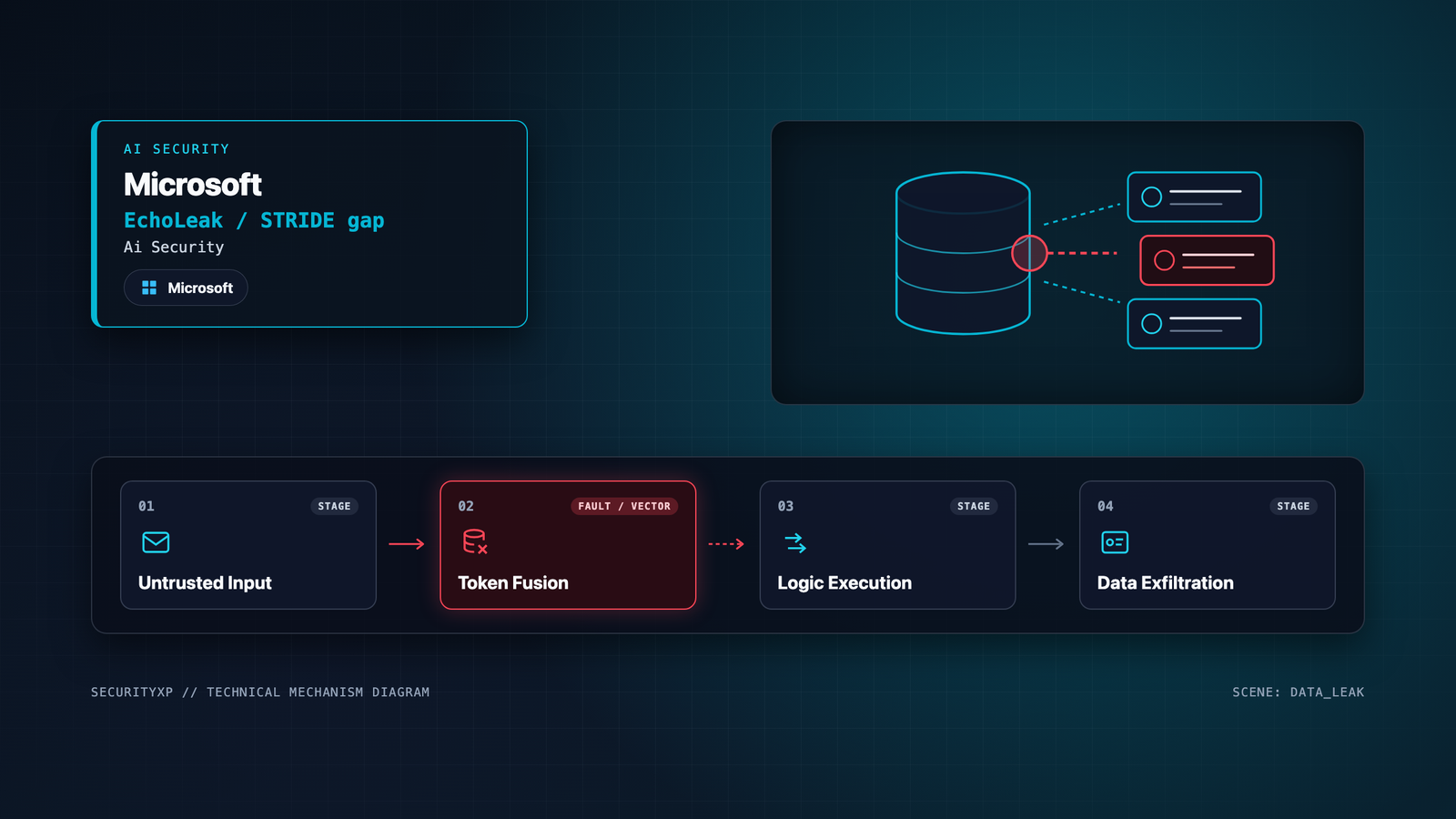
The STRIDE threat modeling framework is insufficient for securing AI agents due to their non-deterministic and autonomous nature, requiring a new approach to identify and mitigate potential threats
Red Teaming Generative AI: Language as the New Exploit Vector
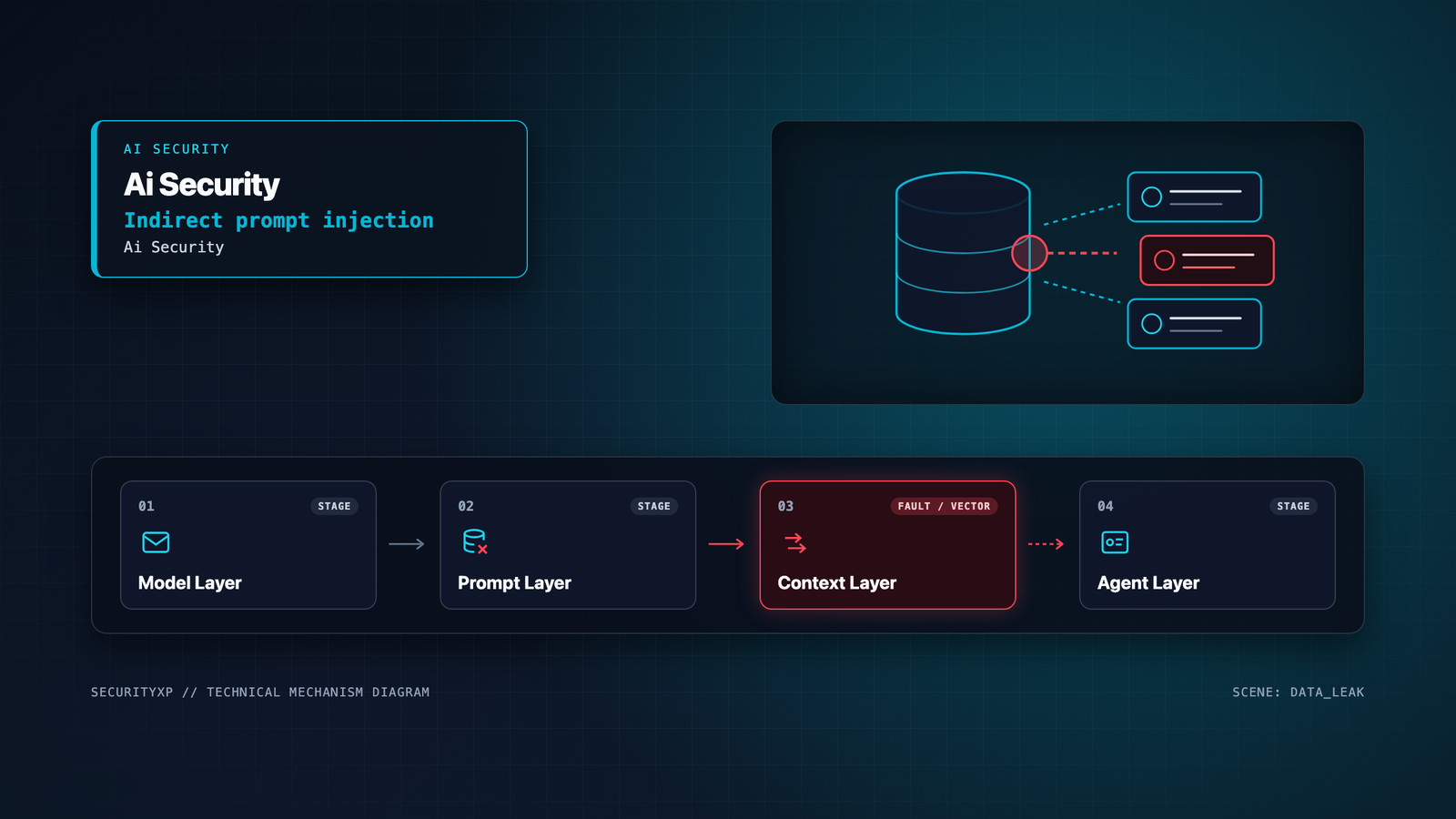
Generative AI systems are vulnerable to attacks via natural language, with 35% of real-world AI security incidents caused by simple prompts, highlighting the need for cybersecurity practitioners to adapt their skills to this new threat landscape
Fortifying IoT Devices Against Cyber Threats
IoT devices are vulnerable to hidden cyber threats, and threat modeling is essential to anticipate and mitigate these risks

Implementing MAESTRO Framework for Enhanced ML Security
The MAESTRO framework provides a layered approach to securing machine learning models and agentic AI, enabling organizations to map and defend against complex threats
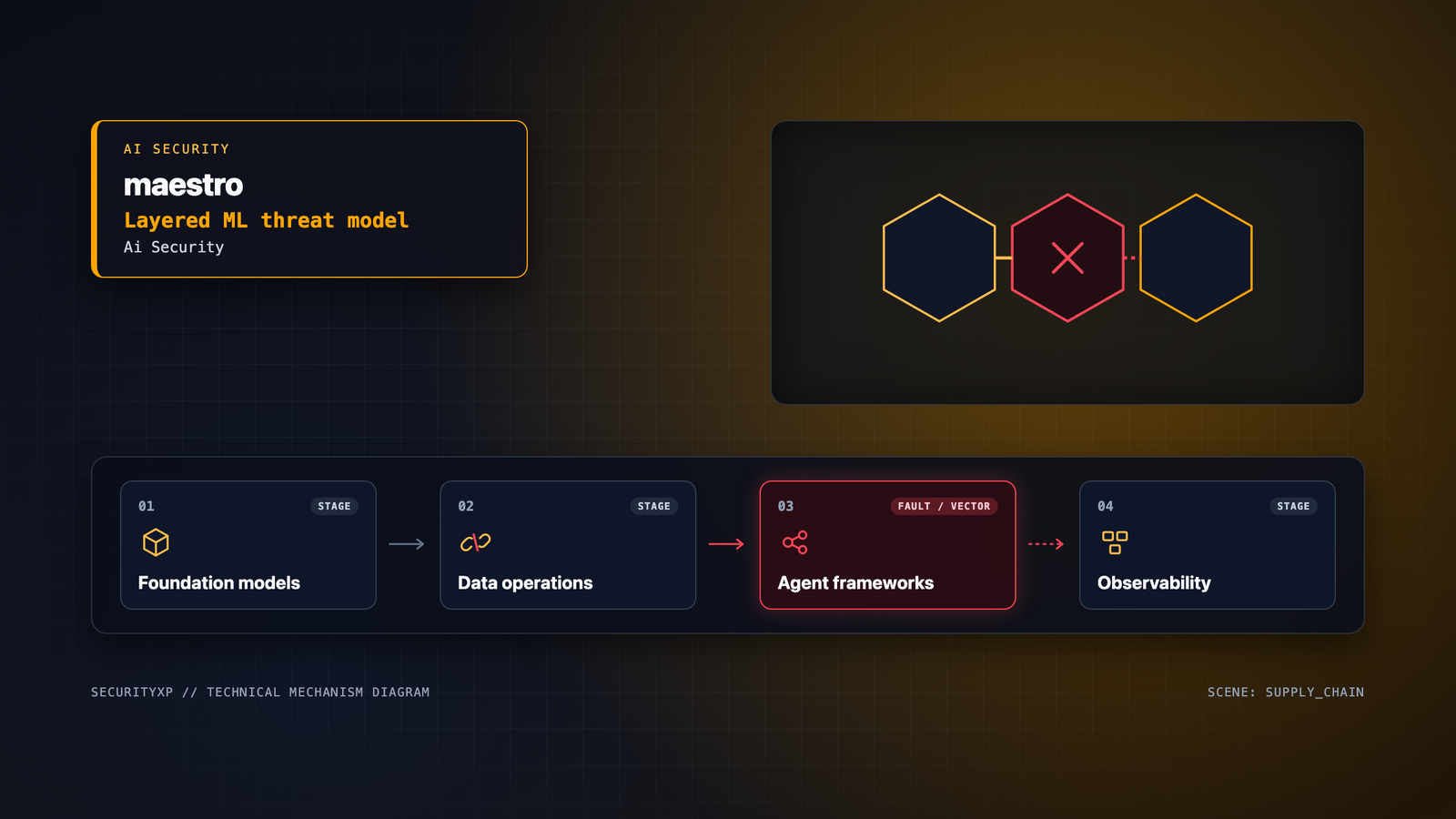
Essential Security Moves for Leaders in the Age of AI
As AI adoption accelerates in enterprises, security leaders must implement layered security strategies to mitigate evolving threats and protect complex digital architectures
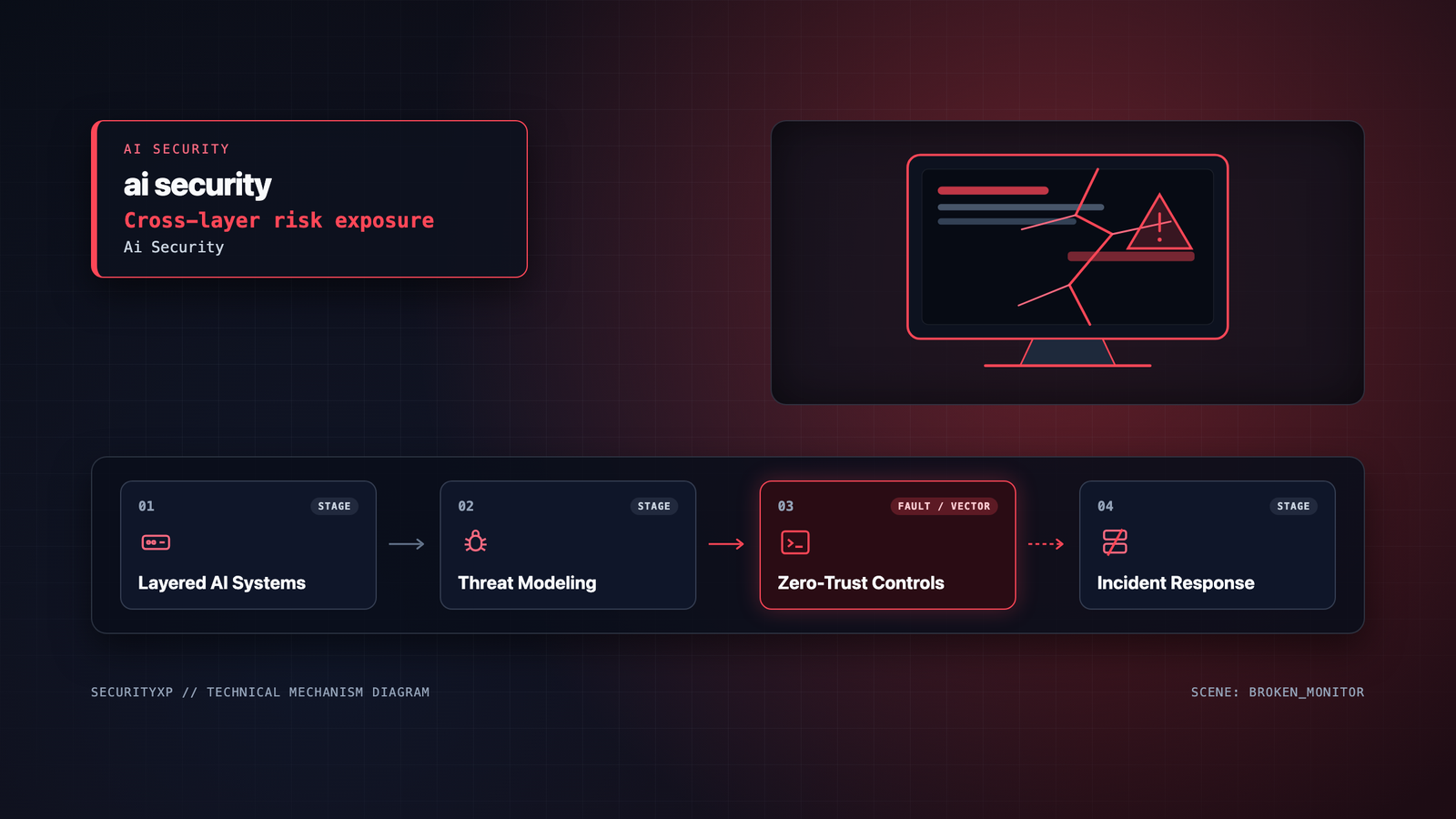
Threat Modeling for Proactive Cyber Defense
Threat modeling is a critical tool for identifying and mitigating potential security threats, allowing organizations to proactively safeguard their assets and maintain trust in an increasingly hostile cyber environment.
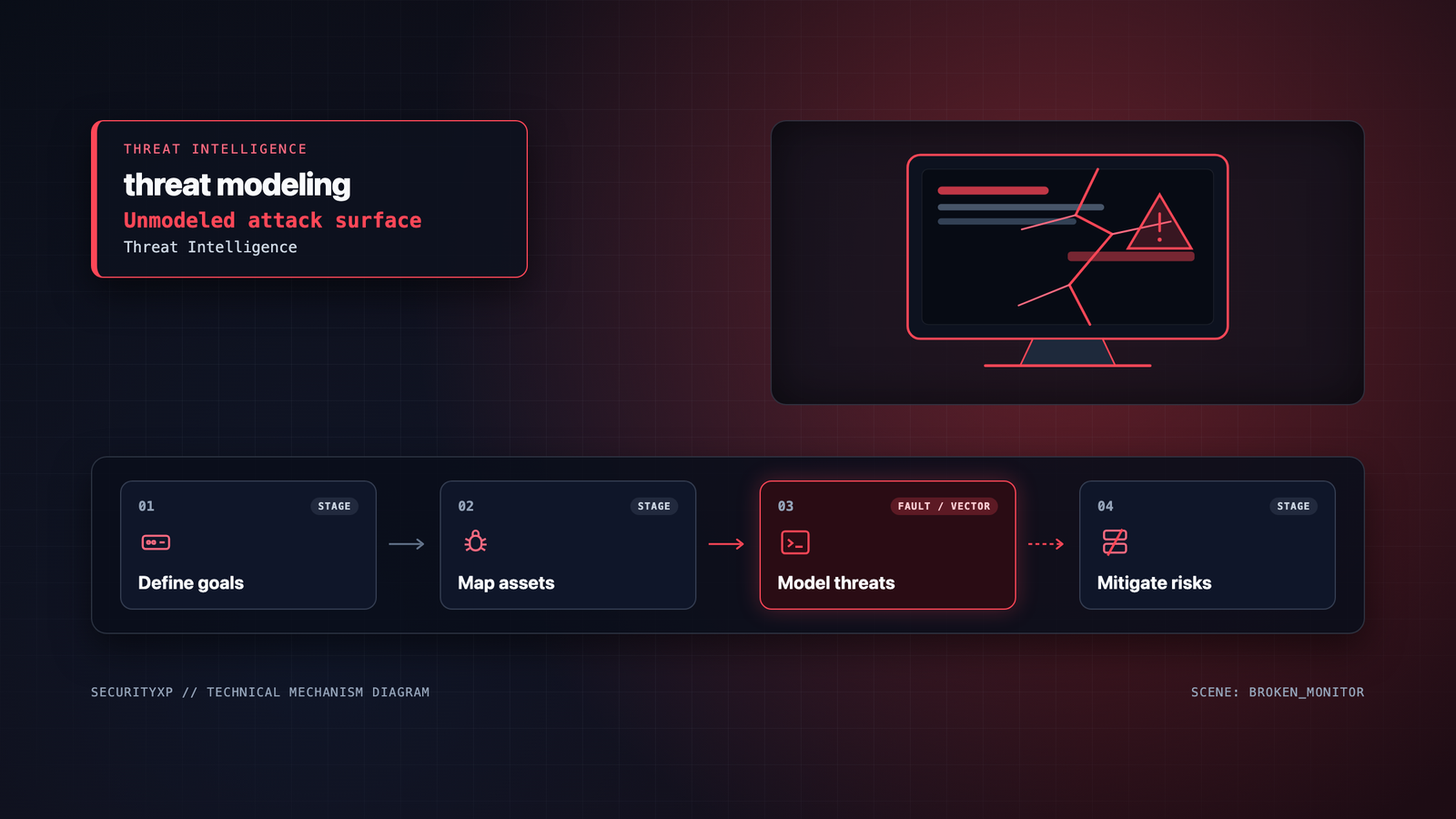
Cyber Resilience Through Threat Modeling Techniques
Implementing cutting-edge threat modeling techniques is crucial for mitigating cyber threats and enhancing security posture in today's rapidly evolving technological landscape
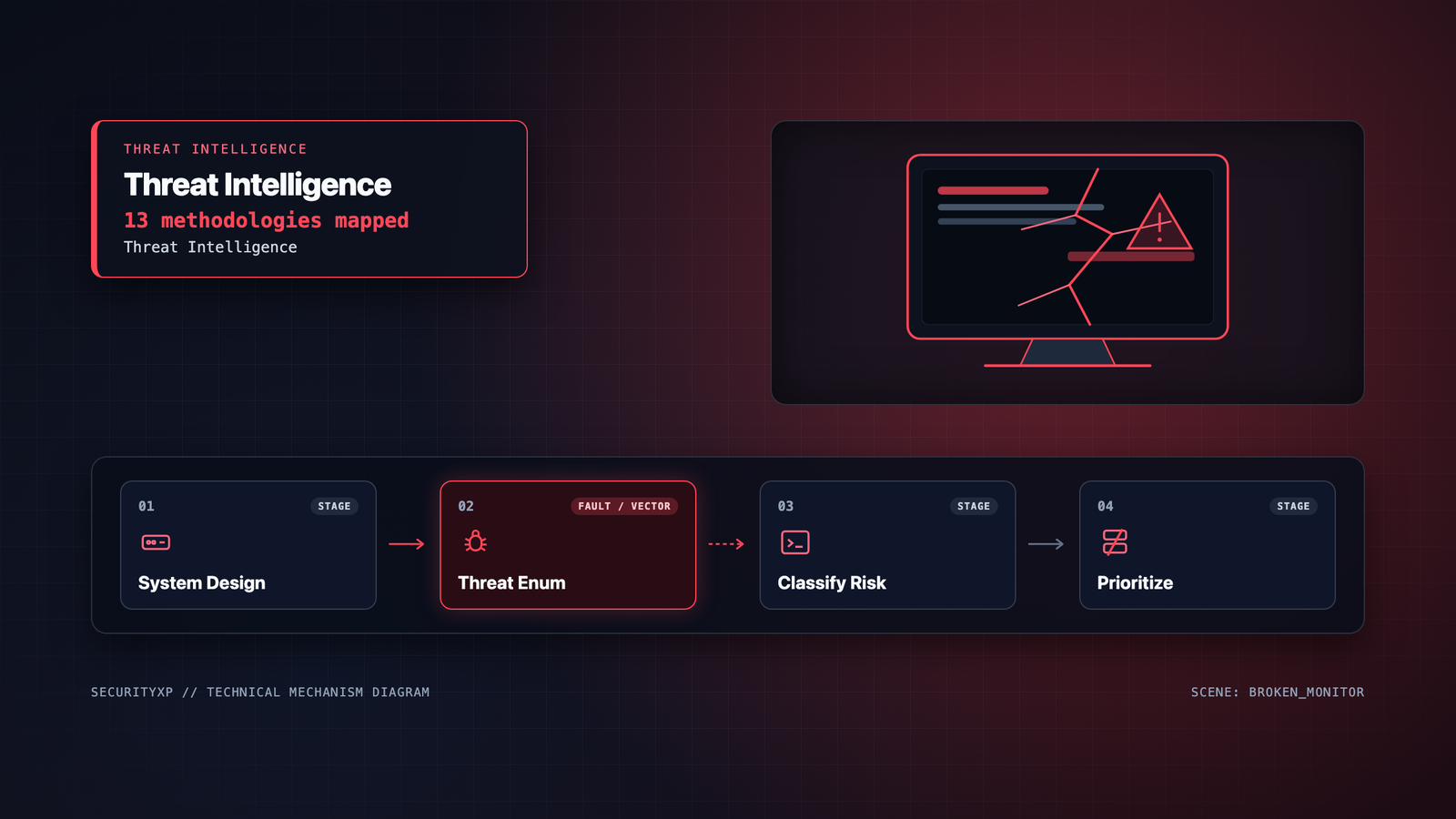
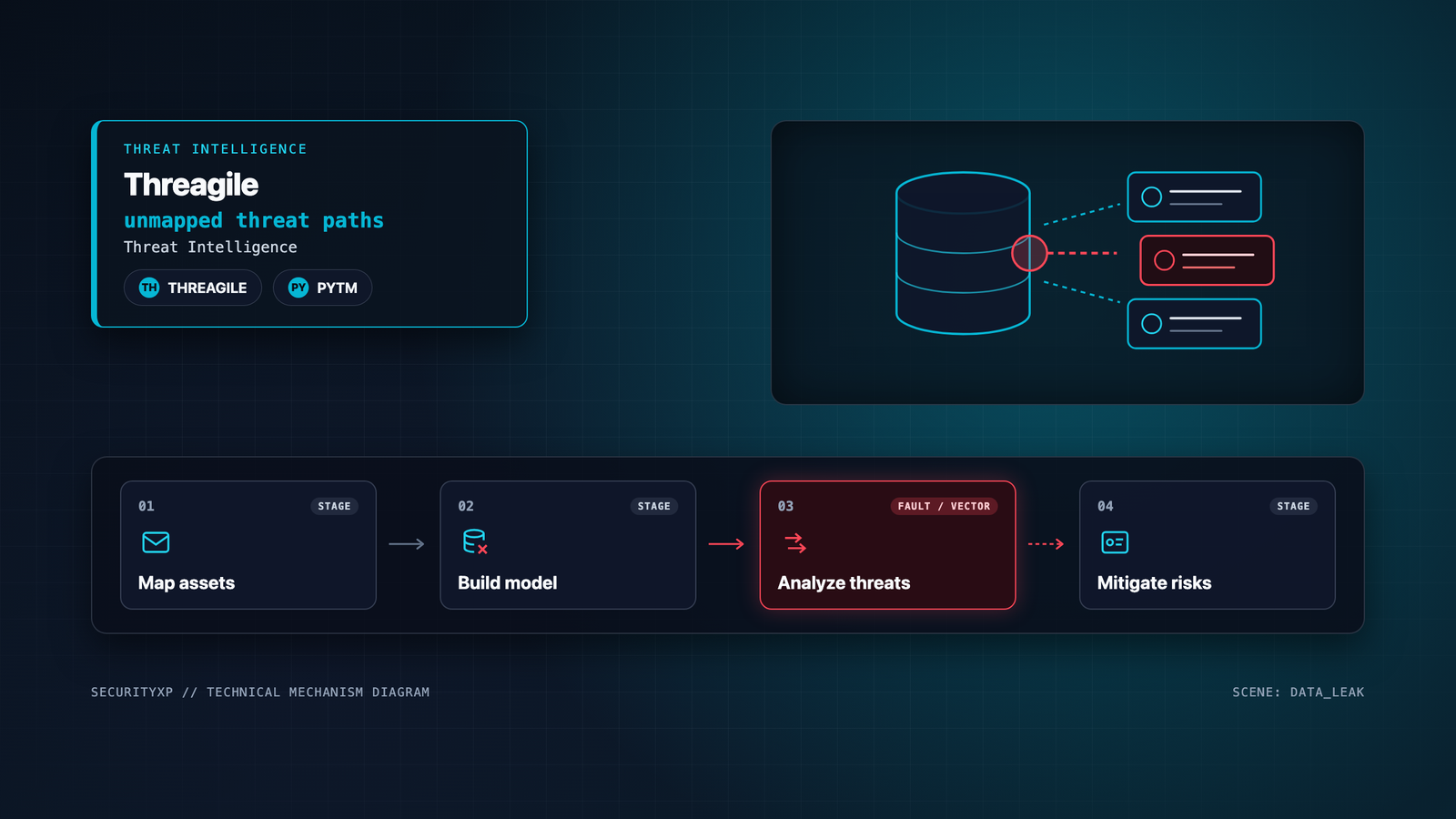
Threat Modeling Tools for Enhanced Security Strategy
This article explores the benefits and key features of threat modeling tools, highlighting their importance in enhancing security strategies and postures
Enhancing ISO 27001 Compliance with Penetration Testing
Penetration testing boosts ISO 27001 ROI by identifying critical vulnerabilities, reducing breach costs, and streamlining compliance, leading to enhanced security and stakeholder trust

Threat Modeling Essentials for Enhanced Security
Threat modeling is a critical process for identifying and mitigating potential security threats in software development, and its integration into the Secure-by-Design approach can significantly enhance an organization's defense against cyber threats